
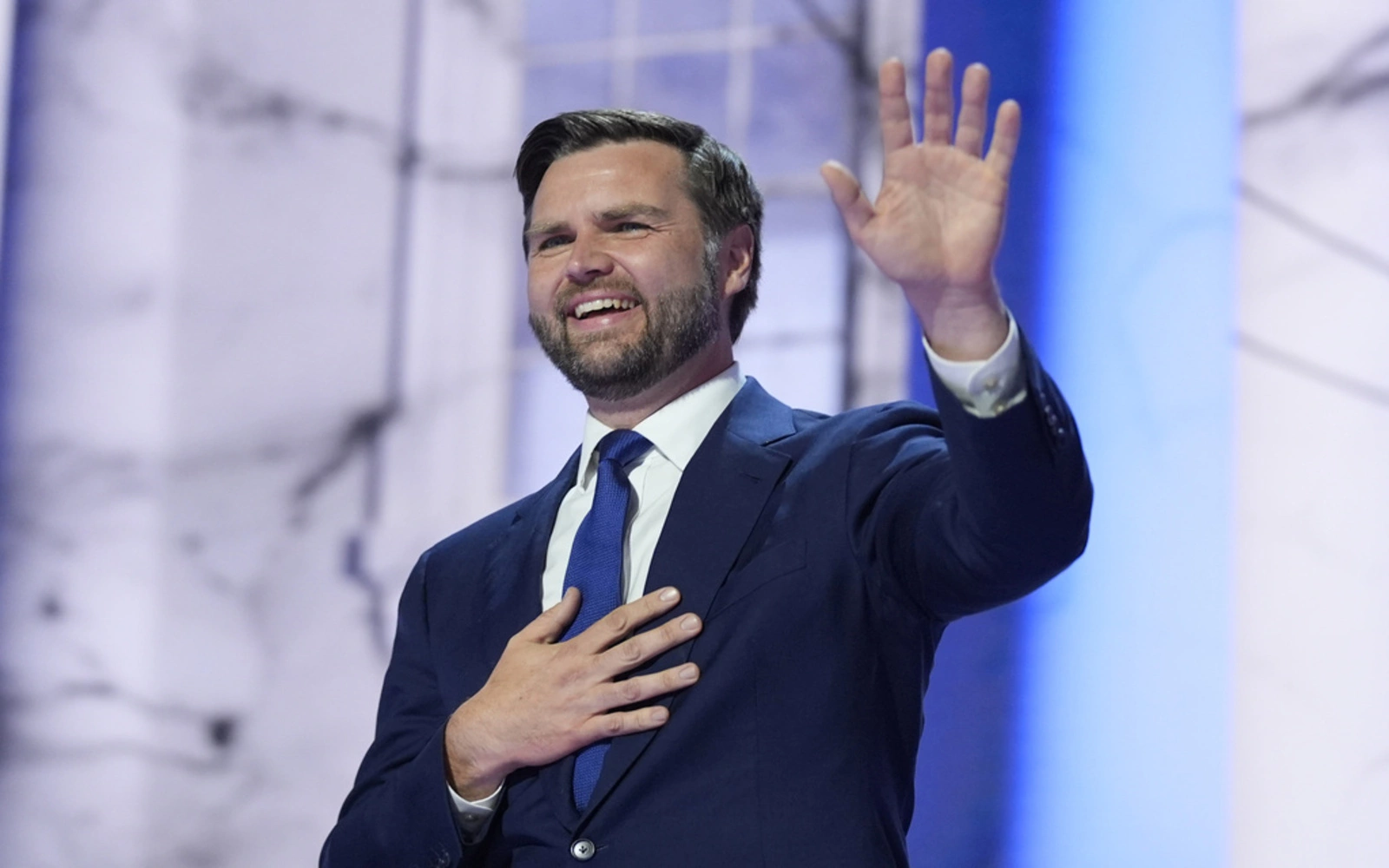
Vice President JD Vance recently engaged in a public exchange with journalist Mehdi Hasan concerning the Trump administration’s decision to restrict The Associated Press (AP) from White House briefings. The administration’s action came after AP declined to adopt the term “Gulf of America,” following President Trump’s executive order renaming the Gulf of Mexico.
The discussion began when Axios reporter Marc Caputo highlighted the administration’s move, suggesting it was both a dispute over nomenclature and a critique of perceived liberal biases in AP’s style guidelines. Hasan responded by questioning Vance’s stance on free speech, especially in light of his recent comments advocating for free expression in Europe.
Vance replied, distinguishing between denying a media outlet access to specific events and the broader issue of criminalizing dissenting opinions. He emphasized that while restricting press access is a matter of administrative discretion, imprisoning individuals for their views poses a genuine threat to free speech.
This exchange follows Vance’s recent address at the Munich Security Conference, where he criticized European nations for enacting laws that penalize certain forms of speech. His remarks have ignited discussions on the balance between maintaining public order and safeguarding individual rights to free expression.
The incident underscores the ongoing debate over the boundaries of free speech, press freedom, and governmental authority in regulating both.