
In a thrilling conclusion to the 4 Nations Face-Off tournament, Canada secured a 3-2 overtime victory against the United States, with Connor McDavid netting the decisive goal at 8:18 into the extra period. The championship game, held in Boston, was not only a showcase of elite hockey talent but also a focal point of heightened political discourse between the neighboring countries.
The tournament, featuring teams from Canada, the United States, Finland, and Sweden, served as a prelude to the upcoming 2026 Winter Olympics. The final match was particularly charged due to recent political tensions, including discussions about trade policies and national sovereignty.
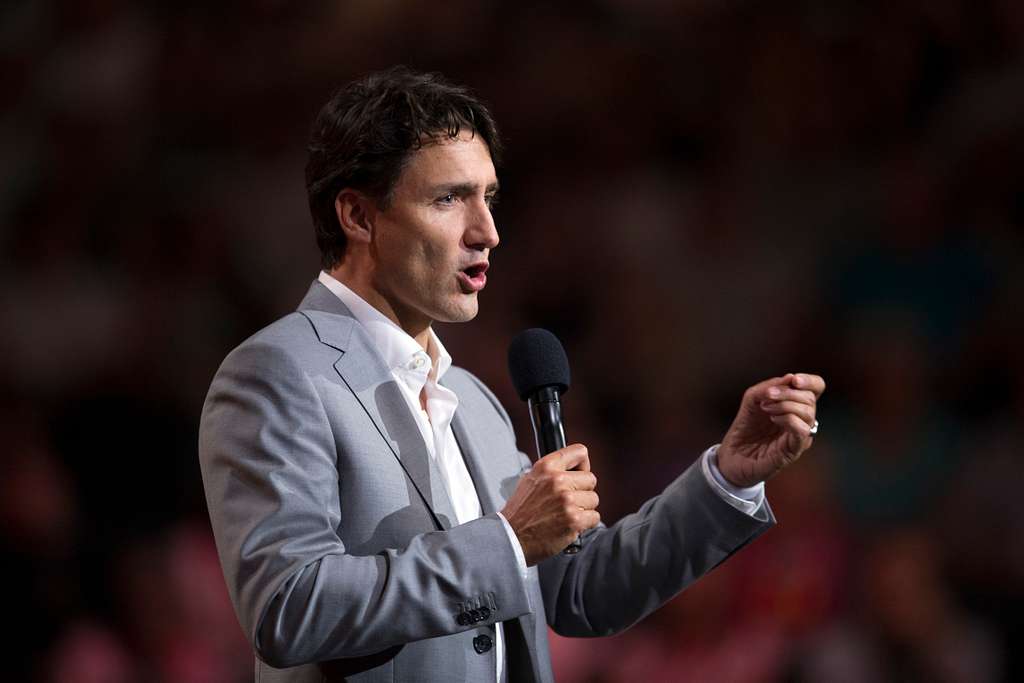
Canadian Prime Minister Justin Trudeau, addressing the nation after the victory, declared, “You can’t take our country—and you can’t take our game.” This statement was a direct response to U.S. President Donald Trump’s earlier remarks suggesting the possibility of annexing Canada as the 51st state. President Trump had also engaged with the U.S. team prior to the game, offering encouragement and briefly mentioning the annexation concept.
The political undertones extended into the arena, with fans from both nations passionately supporting their teams. Notably, during the Canadian national anthem, singer Chantal Kreviazuk altered the lyrics in a subtle protest against President Trump’s statements, a move that resonated with many Canadian supporters.
On the ice, the game was a testament to the intense rivalry between the two hockey powerhouses. Nathan MacKinnon, who was named the tournament’s Most Valuable Player, contributed significantly to Canada’s performance, while goaltender Jordan Binnington made 31 saves to keep the U.S. offense at bay. The United States had previously defeated Canada 3-1 in a round-robin match, adding to the anticipation and stakes of the final showdown.
The victory was celebrated fervently across Canada, with fans and players uniting in a chorus of “O Canada” following the win. The 4 Nations Face-Off not only highlighted the deep-rooted hockey rivalry but also underscored the complex political dynamics currently influencing U.S.-Canada relations.
As both nations prepare for the 2026 Winter Olympics, this match serves as a reminder of the intertwining of sports and politics, and the powerful platform international competitions provide for national expression and pride.