
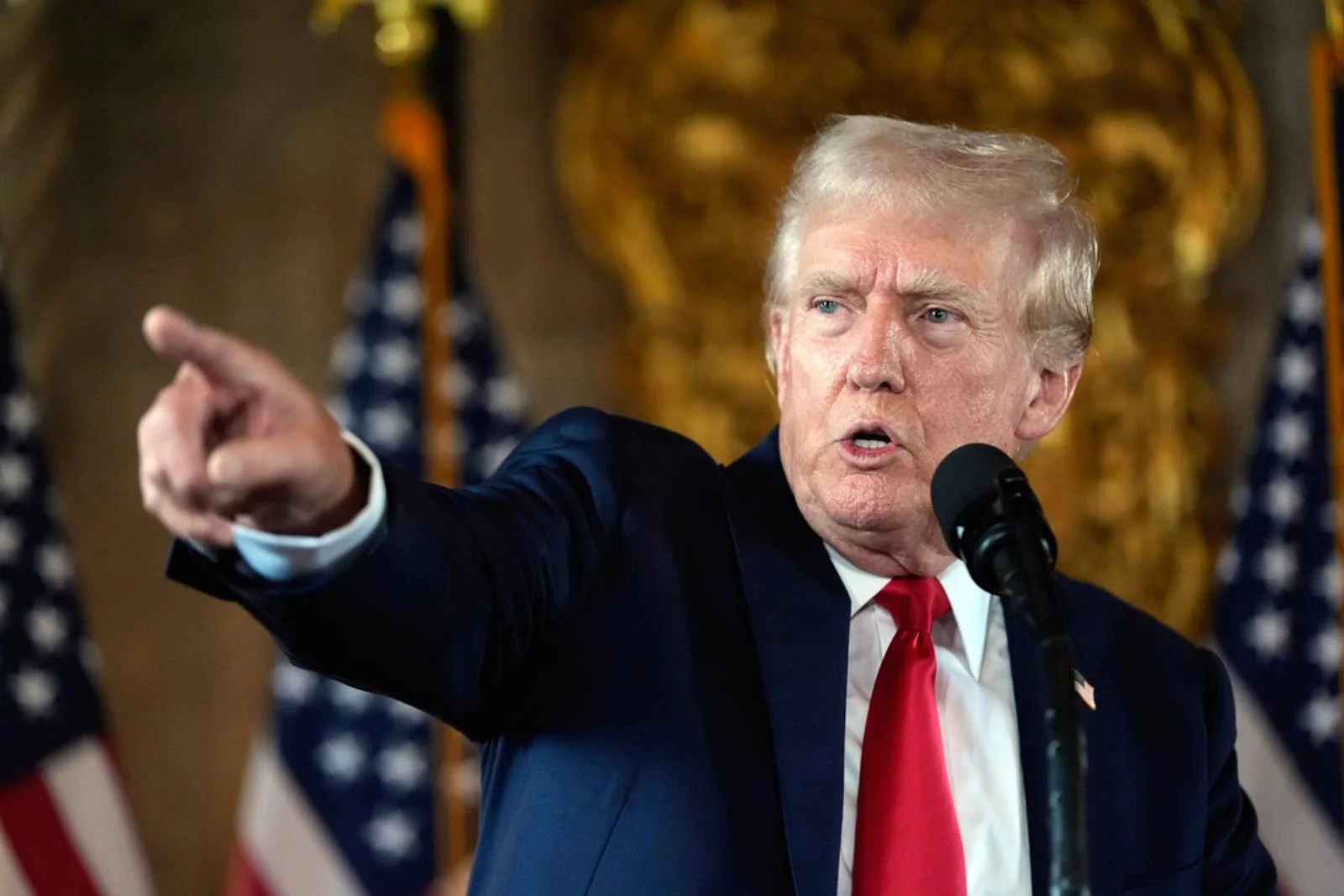
President Donald Trump was reportedly urged by advisors and policymakers to consider granting Puerto Rico independence as a way to alleviate financial burdens on the U.S. government. The discussions, which took place during his time in office, were centered around the island’s significant debt and the economic strain it placed on federal resources.
Puerto Rico, a U.S. territory, has long struggled with financial instability, with its debt crisis reaching critical levels in recent years. Some within the administration suggested that transitioning the island to independence could save the U.S. government an estimated $617 billion in long-term costs, including federal aid and recovery funds.
While Trump acknowledged the financial challenges associated with the territory, he did not publicly advocate for Puerto Rico’s independence, instead focusing on restructuring efforts and federal support measures. However, the reported internal discussions highlight ongoing debates about the island’s political status, which has remained a contentious issue among lawmakers and Puerto Rican residents.
The idea of Puerto Rican independence has historically been met with mixed reactions, with some residents supporting full sovereignty while others push for statehood. The latest revelations underscore the complexities of the island’s relationship with the U.S., as economic considerations continue to influence the broader conversation about its future.