
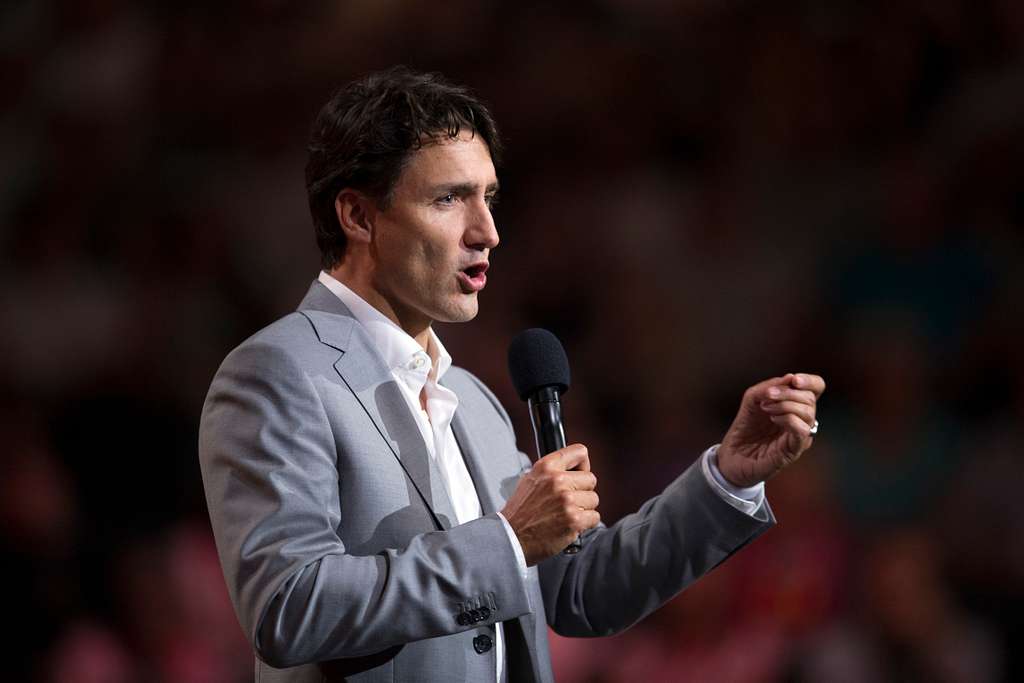
Canadian Prime Minister Justin Trudeau delivered an emotional farewell speech, marking the end of his tenure as the country braces for a significant political shift. Trudeau’s departure comes amid growing tensions between Canada and the United States, particularly following recent trade disputes with President Donald Trump’s administration.
During his address, Trudeau acknowledged the challenges his government faced in recent years, including economic struggles, international relations, and political polarization. He also reflected on his time in office, emphasizing his administration’s efforts to implement progressive policies, climate initiatives, and social programs.
As Trudeau steps down, Mark Carney, the former governor of the Bank of Canada and the Bank of England, has emerged as a potential successor. Carney has been increasingly vocal in political circles, fueling speculation about his role in the future of Canada’s leadership. His stance on economic stability and global financial policies has positioned him as a strong contender for the Liberal Party’s leadership.
Meanwhile, tensions between Canada and the U.S. remain high, with trade tariffs and policy disagreements creating friction between the two nations. Trump has not held back in his criticism of Trudeau’s leadership, and the shift in Canada’s political landscape could reshape the country’s approach to foreign relations, particularly with its southern neighbor.
As Trudeau prepares to leave office, political observers are closely watching how the leadership transition unfolds and what it will mean for Canada’s future, especially in terms of its relationship with the U.S. and global economic policies.