
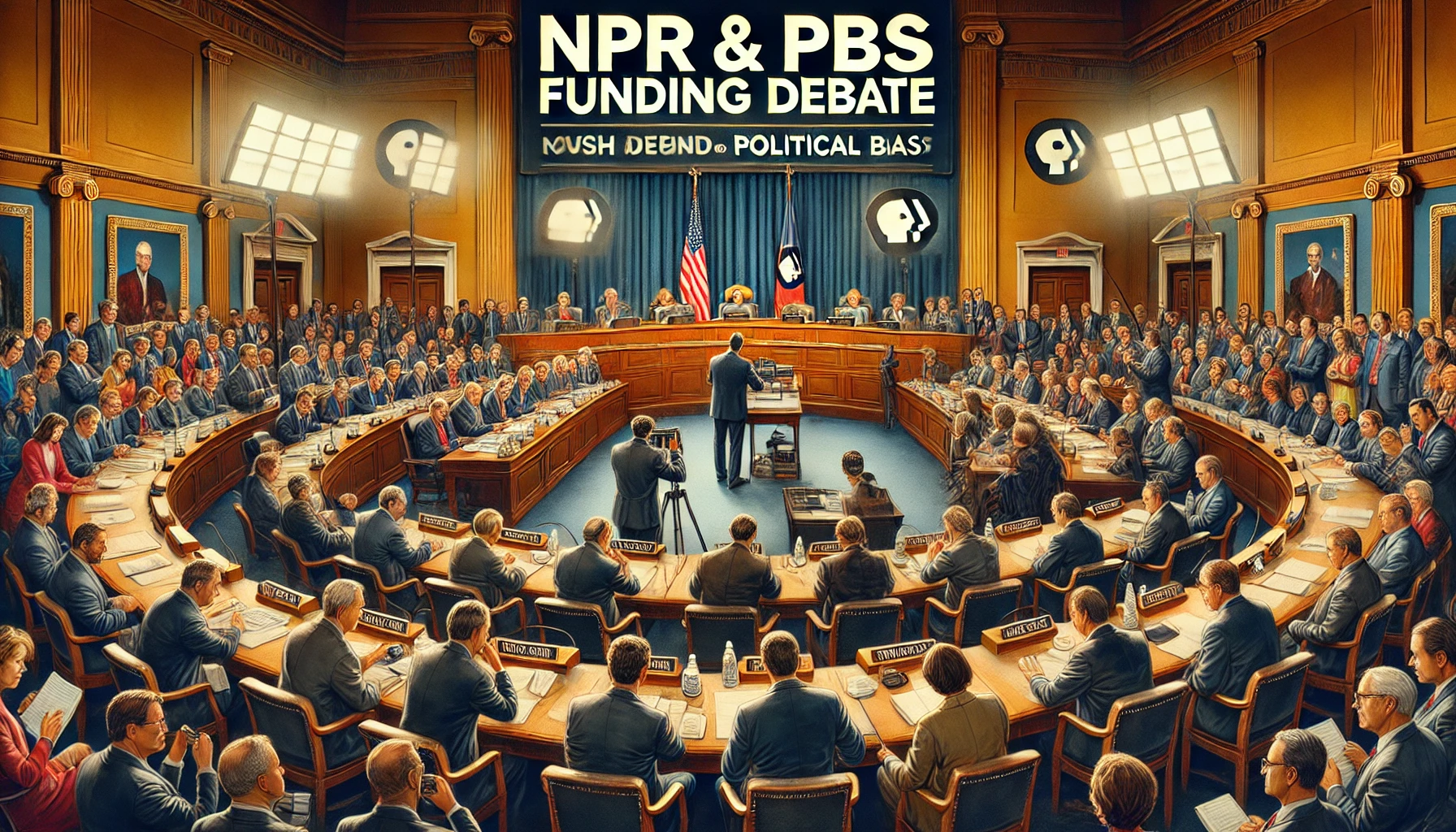
A group of Republican lawmakers has introduced a new bill aimed at stripping federal funding from National Public Radio (NPR) and the Public Broadcasting Service (PBS), citing long-standing concerns about political bias and lack of ideological balance in their programming.
The proposed legislation comes amid renewed scrutiny of taxpayer-supported media outlets, particularly following recent controversies surrounding coverage of politically sensitive topics. Lawmakers backing the bill argue that both NPR and PBS have shown consistent partisan leanings and should no longer receive public subsidies.
Supporters of the bill claim that federal dollars should not be used to support content they believe disproportionately favors left-leaning perspectives, especially as trust in mainstream media remains divided along political lines.
The legislation seeks to cut direct government funding, including grants and appropriations that help support local public radio and television stations across the country. While NPR and PBS receive a portion of their funding through the Corporation for Public Broadcasting (CPB), a federal entity, the majority of their budgets come from donations and sponsorships.
If passed, the bill would significantly reduce the CPB’s annual funding, impacting public media affiliates nationwide. Critics of the proposal warn that rural communities, in particular, could lose access to educational and cultural programming provided by local public stations.
NPR and PBS have not issued official statements in response to the bill but have previously defended their editorial independence and commitment to journalistic standards.
The funding debate reflects broader tensions between the federal government and public media institutions, as partisan divides continue to influence decisions over national communications and cultural funding. The bill is expected to face heated debate in both chambers of Congress.