
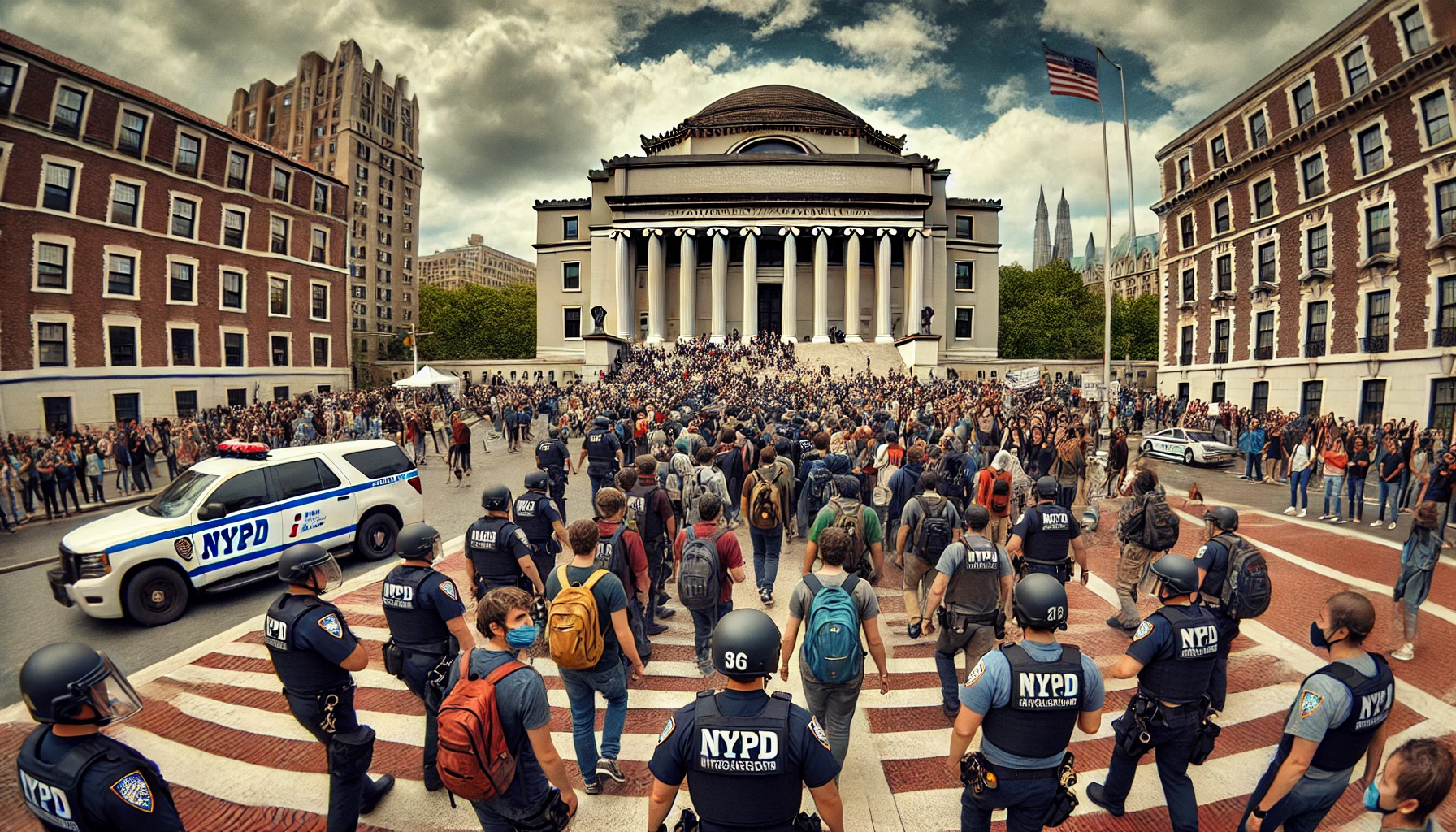
Columbia University has taken a firm stance against student protests, shifting the atmosphere on campus after weeks of escalating unrest. The crackdown followed the occupation of Butler Library by around 80 demonstrators, who were swiftly removed and arrested by NYPD officers.
The action marks a new era of enforcement under acting President Claire Shipman, who has implemented a strict zero-tolerance approach to unauthorized protests and encampments. The shift comes after the federal government withheld $400 million in funding, citing growing concerns over antisemitism and safety on university grounds.
In response, Columbia has introduced tighter protest regulations and increased security presence, drawing mixed reactions from the campus community. While some students welcomed the return to academic normalcy, others voiced concern over what they view as a clampdown on free expression and the right to dissent.
International students have become especially cautious, aware that involvement in protests could put their immigration status at risk. The Trump administration has warned that foreign nationals participating in campus unrest may face deportation.
As the situation at Columbia continues to unfold, universities nationwide are watching closely, weighing how to preserve both student rights and institutional order in an increasingly politicized climate.