
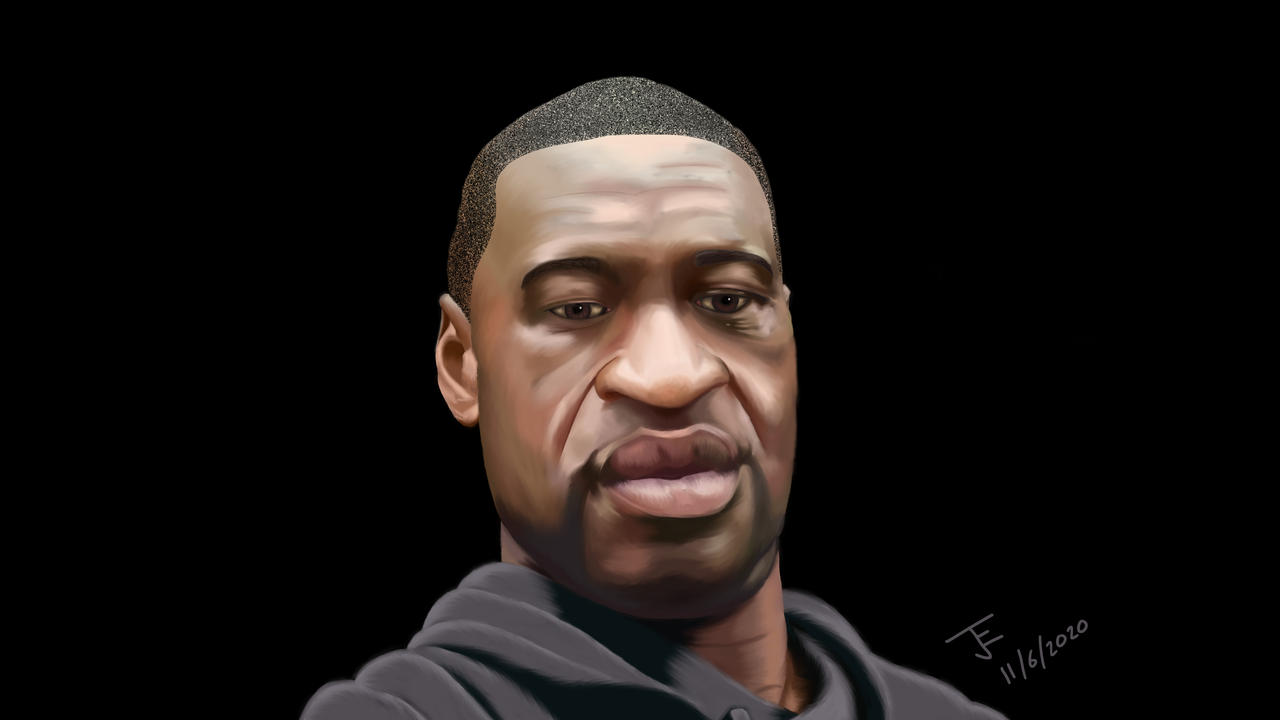
Five years after the death of George Floyd, Minneapolis remains a city struggling with deep social, economic, and institutional scars that show little sign of healing.
The protests that followed Floyd’s death in 2020 triggered widespread unrest, resulting in nearly $500 million in damages across the Twin Cities. What began as a call for justice transformed into some of the most intense civil disorder the city had ever experienced. Former officers described the environment as a “war zone,” prompting a wave of resignations within the Minneapolis Police Department.
Despite multimillion-dollar settlements to Floyd’s family and broad pledges for police reform and community investment, many residents say the changes promised have not meaningfully improved their lives. Critics argue that political leaders capitalized on the tragedy while failing to deliver lasting support to the city’s most affected communities.
Efforts to reform the police force have led to a federal consent decree mandating stricter oversight, revised use-of-force policies, and a requirement for officers to intervene in cases of misconduct. Yet, questions remain about how effectively these changes are being enforced, and whether they’re enough to rebuild public trust.
Legal challenges also persist. Former officer Derek Chauvin is pursuing appeals, and the circumstances surrounding Floyd’s death remain a point of legal and political contention, with some claiming key evidence was misrepresented during the trial.
Meanwhile, the communities at the heart of the unrest—particularly Black neighborhoods in Minneapolis—say they continue to suffer from broken promises, economic disinvestment, and ongoing tensions with law enforcement.
What was once a global symbol of protest and reform is now a city caught in limbo, wrestling with unfulfilled commitments and a fractured public conscience.