
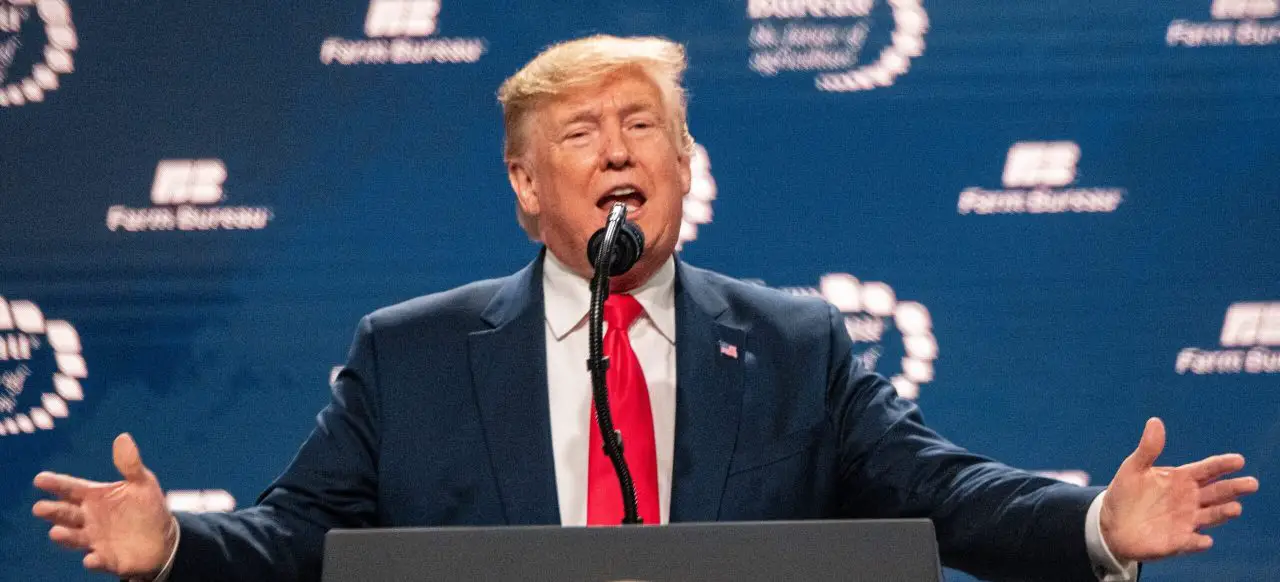
President Trump unveiled a new proposal over the weekend that would empower farmers—and potentially hospitality business owners—to vouch for long-term undocumented employees, allowing them to remain in the U.S. under a provisional work status rather than face deportation.
He outlined the plan during events in Iowa and Florida, stating that farmers know their workers well—some having employed them for over a decade—and should have the authority to ensure they stay in the country legally, pay taxes, and continue filling critical labor needs. These workers would not be eligible for citizenship but could remain under a regulated permit.
Trump emphasized that the agreements would place responsibility on employers: if a farm or hotel operator failed to manage the program properly, they could lose the privilege, while the workers they sponsor would maintain legal status. He framed the proposal as balancing his administration’s aggressive immigration enforcement—prioritizing criminal offenders—against the economic necessity of keeping farms and hotels staffed.
The idea follows earlier admissions from Trump that raids by ICE have led to labor shortages and disrupted food supply chains in agriculture, prompting backlash from industry stakeholders and state leaders. While the concept has drawn preliminary interest from farm and hospitality trade groups, its implementation remains uncertain pending legislation and Department of Homeland Security action.
This marks another shift in Trump’s policy approach: reinforcing strict immigration enforcement while seeking targeted flexibility for key sectors that rely heavily on undocumented labor.