
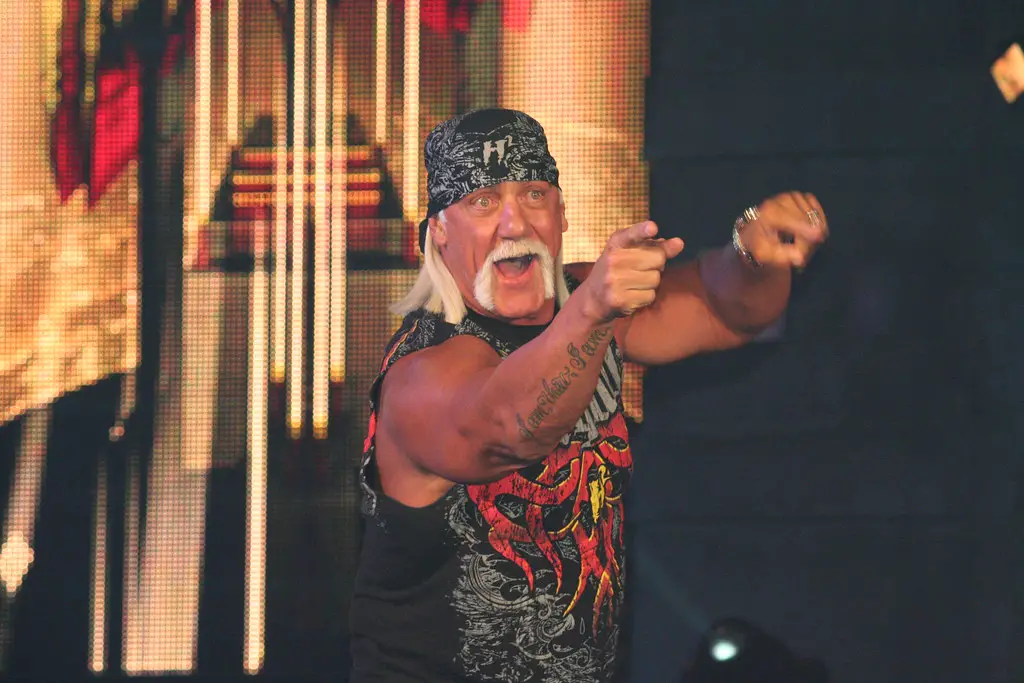
Wrestling icon Hulk Hogan spent his final days battling a rapid physical decline, marked by chronic health complications, emotional reckoning, and a quiet effort to heal personal relationships before his passing at the age of 71.
In the weeks leading up to his death, Hogan was reportedly dealing with serious health issues, including a weakened heart, frequent shortness of breath, significant weight loss, and growing reliance on supplemental oxygen. Once a towering figure in the ring, he had become increasingly frail, and those close to him noted visible signs of deterioration.
On the morning of his passing, Hogan suffered a sudden medical emergency at his Clearwater, Florida residence. Emergency responders were called to the scene and fought for nearly 30 minutes to stabilize him. He was transported to a nearby hospital where he was later pronounced dead. Authorities have confirmed there were no signs of foul play, and the cause of death is believed to be related to cardiac arrest.
Friends and family close to Hogan shared that he had been making deliberate efforts in recent months to mend fractured relationships, particularly with his daughter. In what many are now calling his emotional final chapter, Hogan reached out to loved ones, expressing a deep desire to find peace and resolution while he still had the chance.
The wrestling world has been rocked by the news, as tributes pour in from fans and fellow athletes alike. Hogan’s legacy spans decades, from his glory days in the WWF to his cultural influence beyond the ring. Yet beyond the fame and theatrics, his final moments revealed the human behind the legend — a man seeking reconciliation and peace as he faced his final battle.
Hogan’s life may have ended quietly, but his legacy will echo loudly for generations.