
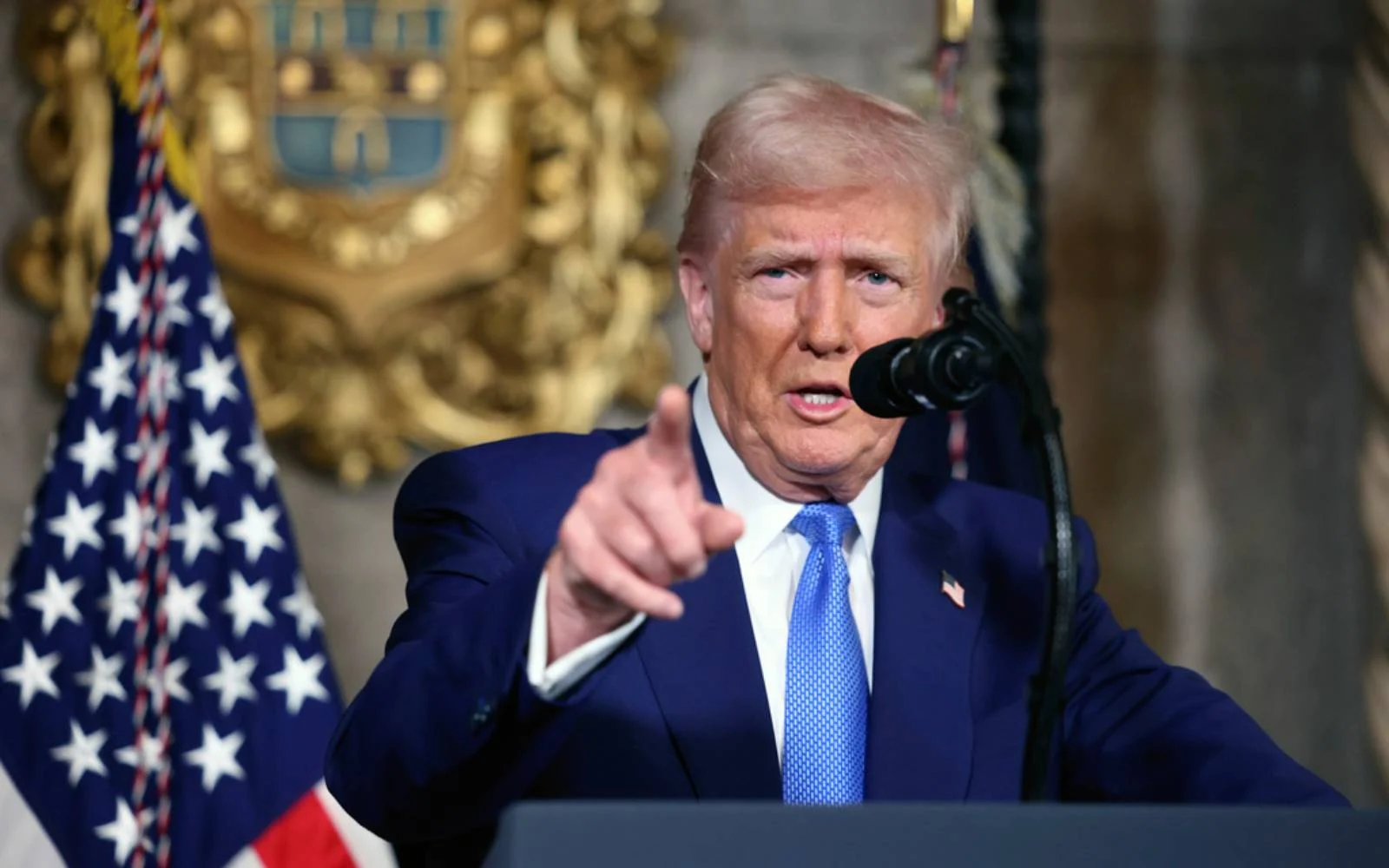
President Donald Trump announced that there is a roughly even chance of finalizing a trade agreement with the European Union before the August 1 deadline he previously set for imposing new tariffs. While optimistic about ongoing talks, he acknowledged that the final outcome will depend on the EU’s willingness to lower trade barriers and offer fairer terms, especially regarding American agricultural and automotive exports.
The proposed agreement includes a 15% flat tariff on EU imports, a significant reduction from earlier threats of higher duties. In return, the EU would commit to purchasing more U.S. energy products and military equipment, a move seen as a step toward rebalancing trade relations between the two economies.
Talks are continuing in Scotland, where Trump is hosting European Commission President Ursula von der Leyen. The discussions are centered around finalizing terms that both parties can accept without triggering economic retaliation. The deal is being framed as a milestone in Trump’s trade agenda, potentially eclipsing past agreements with Japan and the United Kingdom.
While many observers believe the talks are progressing, the agreement still requires ratification from all 27 EU member states. Trump stressed that the U.S. seeks only a fair deal, not one-sided advantages. If successful, the agreement would be a major diplomatic achievement and a critical step in reshaping U.S.–EU trade dynamics.