
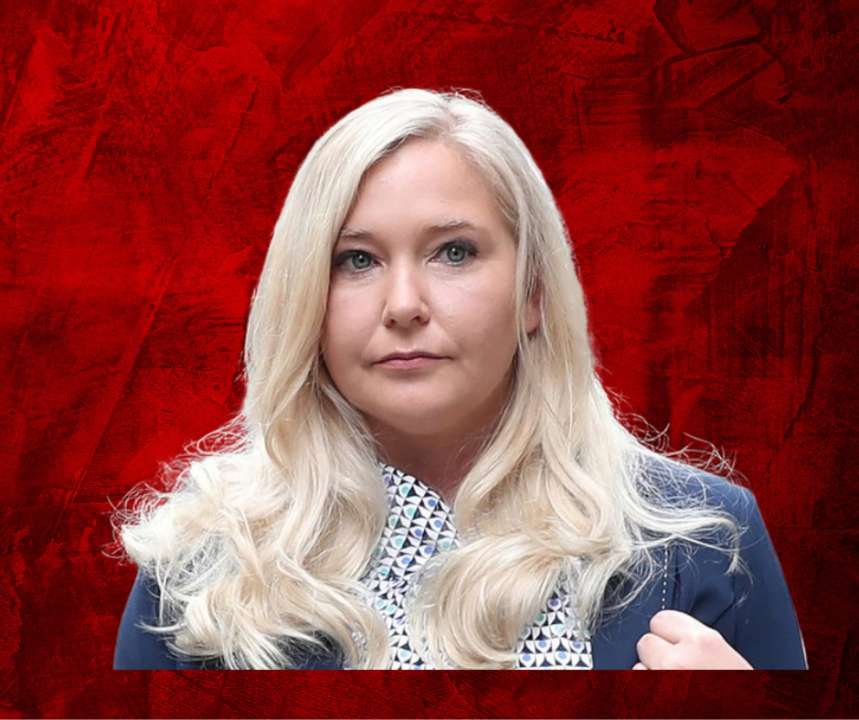
President Donald Trump recently said he ended his relationship with Jeffrey Epstein after learning Epstein had recruited women—some of whom worked at Trump’s Mar‑a‑Lago spa—including Virginia Giuffre. He claimed that Epstein effectively “stole” her and others from his staff, and that he banned Epstein from the resort in response.
Giuffre, who was employed at the spa during summer 2000 when she was about 16, later said Epstein’s associate Ghislaine Maxwell approached her and offered a job as Epstein’s masseuse. She went on to become one of the most prominent accusers and an advocate for survivors before her death in April 2025. Giuffre alleged she was groomed by Maxwell and trafficked by Epstein, including abuse by powerful individuals.
Following Trump’s remarks, Giuffre’s family expressed profound shock and called for accountability, questioning whether Trump had known more about Epstein’s exploitation than publicly acknowledged. They also urged that Maxwell remain in prison, warning against any possible pardon.
The White House responded that Trump disassociated from Epstein after the latter’s inappropriate behavior toward his female staff. Though he acknowledged the authority to pardon Maxwell, Trump said such discussions were premature. The incident has renewed scrutiny over Trump’s past ties to Epstein, the handling of the scandal, and potential political implications.