
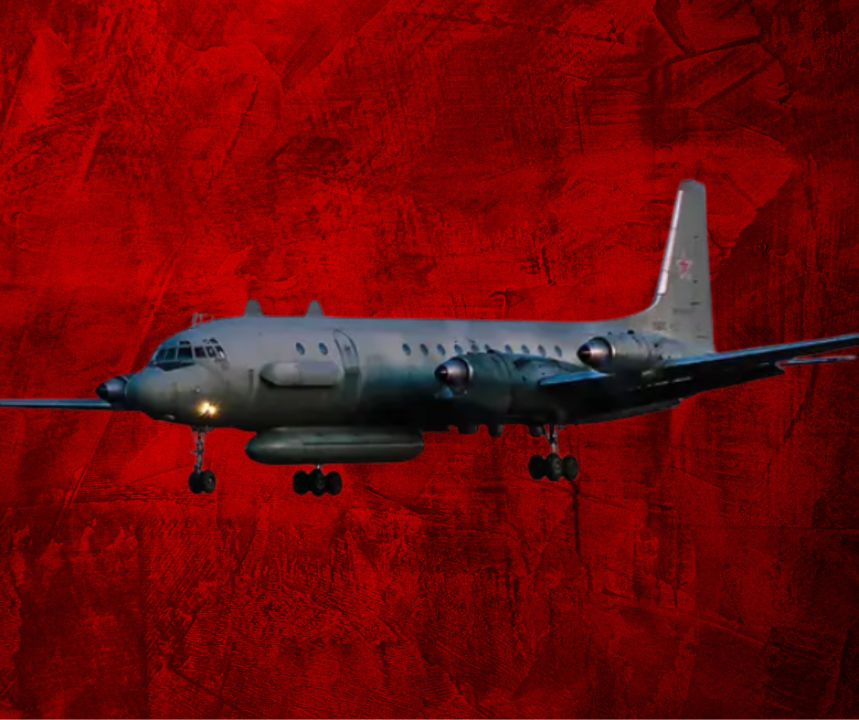
In a rare burst of aerial activity, the U.S. military intercepted a Russian reconnaissance aircraft near Alaska for the fourth time in under a week. The North American Aerospace Defense Command (NORAD) responded swiftly, deploying an E-3 Sentry AWACS, two F-16 fighter jets, and a KC-135 refueling plane to shadow the aircraft—a Soviet-era IL-20 COOT—within the Alaskan Air Defense Identification Zone (ADIZ), a monitored stretch of international airspace.
The Russian plane remained just outside American and Canadian sovereign territory, meeting identification requirements but prompting heightened military vigilance. NORAD activated its layered defense system—combining radar surveillance with airborne response capacity—to manage what it called routine but notable aerial patrols.
This marking of four separate NATO-style interceptions within a single week signals an unusual uptick in Russian aerial activity near Alaska’s western frontier. Though such incursions are typically not labeled threats, their frequency this week sets a new operational tempo for the region.