
Chicago’s Labor Day weekend turned deadly, with at least seven people killed and 37 others injured in a series of shootings across the city. The violence spanned multiple neighborhoods, including South Shore, East Garfield Park, and Altgeld Gardens, with several drive-by incidents intensifying public distress.
Against this backdrop, President Trump renewed threats of sending federal forces—potentially even the National Guard—to Chicago, citing it as a “killing field.” He pointed to Washington D.C.’s dramatic crime reduction following federal intervention as justification for a similar strategy.
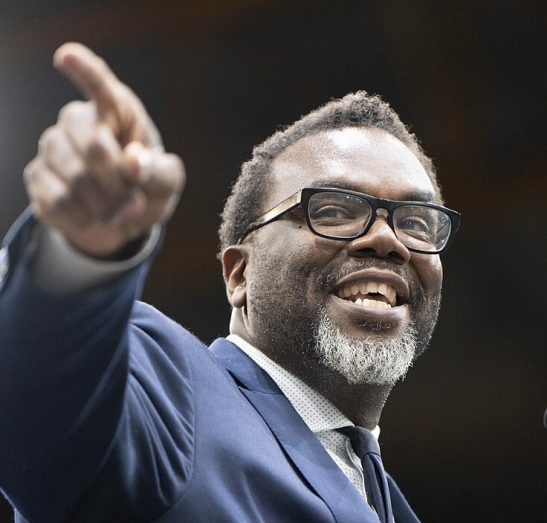
However, Illinois Governor J.B. Pritzker and Chicago Mayor Brandon Johnson pushed back firmly. Both dismissed the notion of federal troop deployment as unconstitutional and politically charged. Mayor Johnson signed an executive order explicitly barring the Chicago Police Department from collaborating with the National Guard or any federal agents in law enforcement capacities.
The city’s leaders are instead advocating for local solutions—expanded social programs, community investment, and targeted violence-prevention initiatives—offering a vision that emphasizes healing and empowerment rather than militarization.