
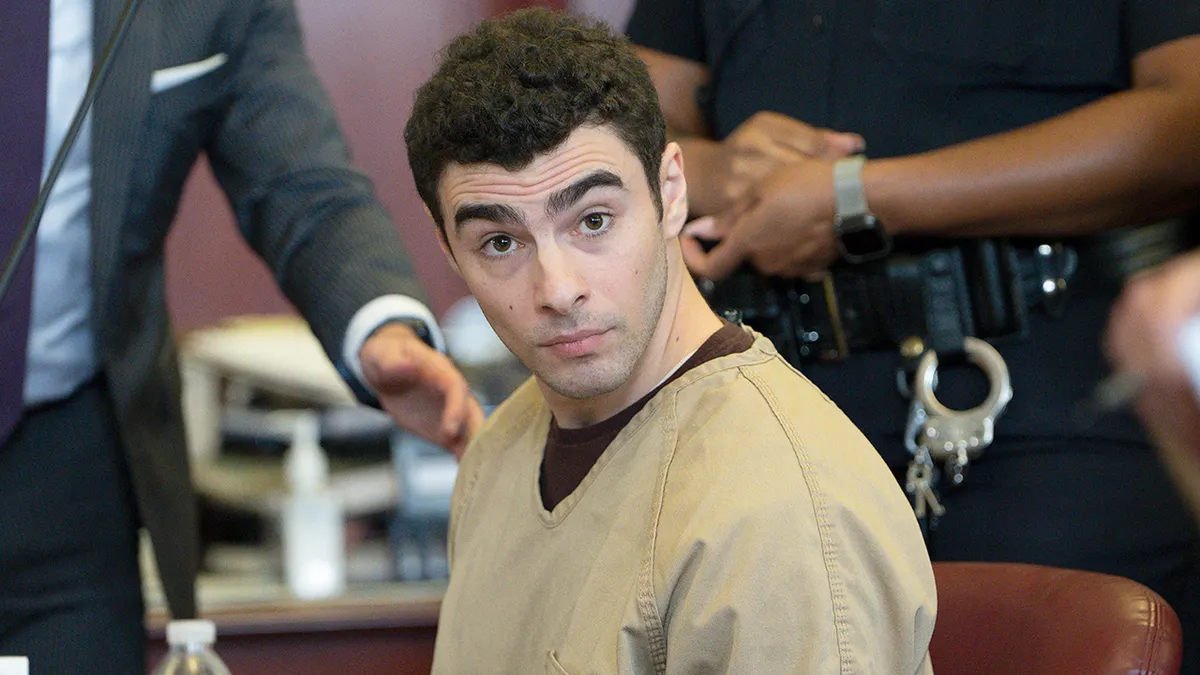
A New York judge has thrown out the top terrorism charges against Luigi Mangione, the man accused of killing UnitedHealthcare CEO Brian Thompson in December 2024. The decision represents a major setback for state prosecutors, who had sought to classify the killing as an act of terrorism.
Judge Gregory Carro ruled that while Mangione’s attack was deliberate and tied to his grievances against the healthcare industry, it did not satisfy the strict legal definition of terrorism. The court found no evidence that Mangione acted with the intent to intimidate a wider civilian population or to coerce government policy through violence—standards required under state law to sustain a terrorism charge.
With the dismissal, the most serious accusations—first-degree murder in furtherance of terrorism and second-degree murder as a crime of terrorism—are now off the table. However, Mangione still faces second-degree murder and additional state charges, which could result in a sentence of 25 years to life if convicted.
The case does not end at the state level. Mangione is also under federal indictment, where separate charges remain in place and could potentially expose him to the death penalty. His defense team has consistently argued that the terrorism counts were legally unsound and an overreach by the prosecution.
Mangione is scheduled to return to state court on December 1 as proceedings continue. The ruling has sparked debate over how terrorism statutes are applied, highlighting the challenge prosecutors face in proving that individual acts of violence meet the threshold for terrorism under the law.