
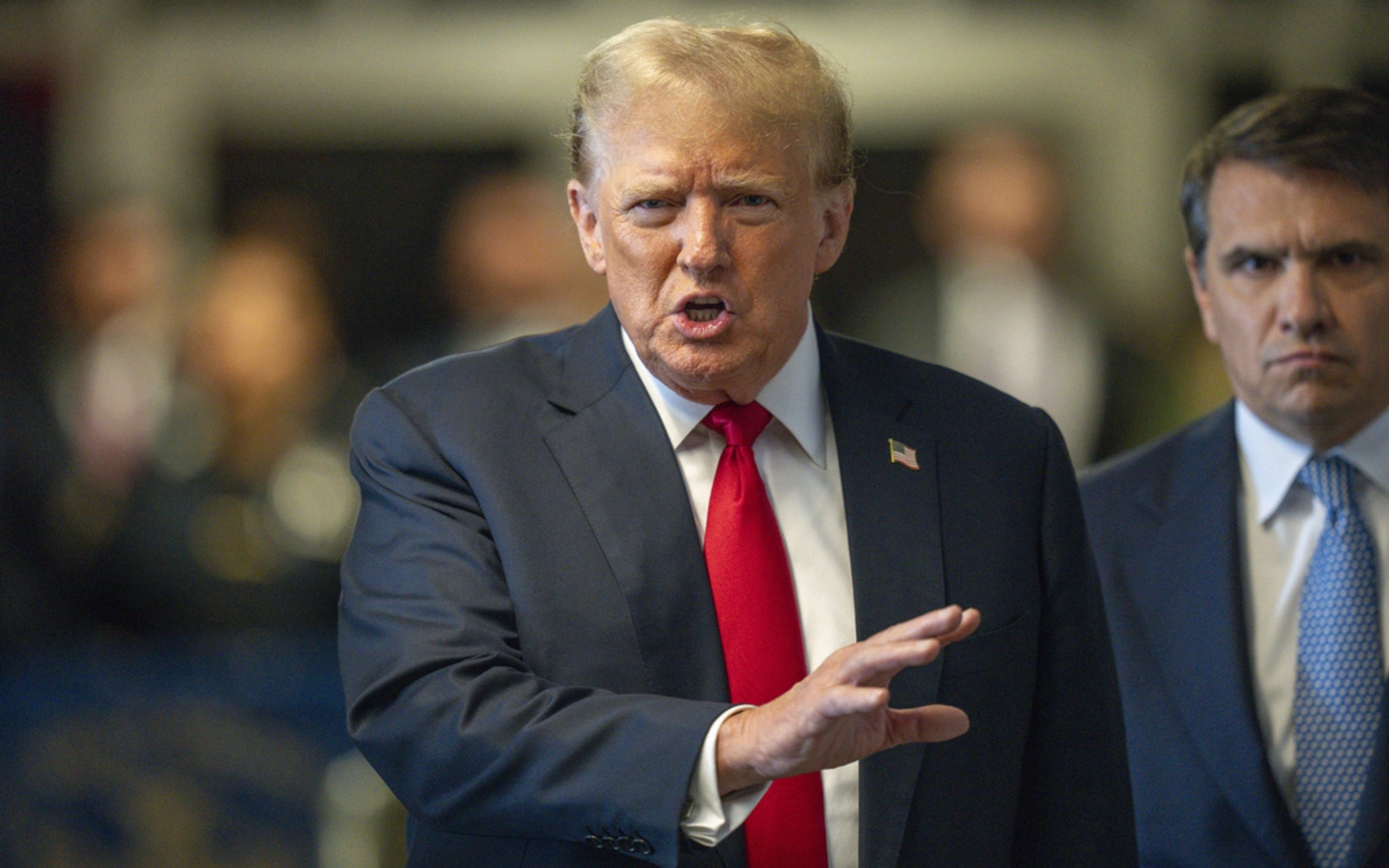
President Donald Trump has shifted his rhetoric strongly in favor of Ukraine, citing fresh U.S. intelligence suggesting that Russia is facing severe battlefield and economic strains. He now claims Ukraine can reclaim all its lost territory—including Crimea—and calls Russia a “paper tiger.”
The pivot comes shortly after a meeting with President Zelensky at the U.N. and follows reports that, between May and August 2025, Russian forces gained only 737.6 square miles despite suffering over 130,000 casualties. Combined with steep declines in oil revenue, depleted financial reserves, and escalating domestic pressure, Trump’s remarks are intended as a diplomatic signal: assertive public pressure on Moscow to enter serious negotiations.
While the change in tone is notable, administration sources say it doesn’t constitute a new policy—rather, it’s a rhetorical tool to strengthen the U.S. position in ongoing diplomacy. The Kremlin has rejected Trump’s characterization, defending its military and economy as stable and maintaining that recent battles are strategic rather than signs of weakness.
The development has drawn mixed reactions globally: Zelensky praised the rhetoric, European leaders welcomed firmer U.S. support, and analysts cautioned that Trump’s statements must be matched with concrete action to reshape the war’s trajectory.