
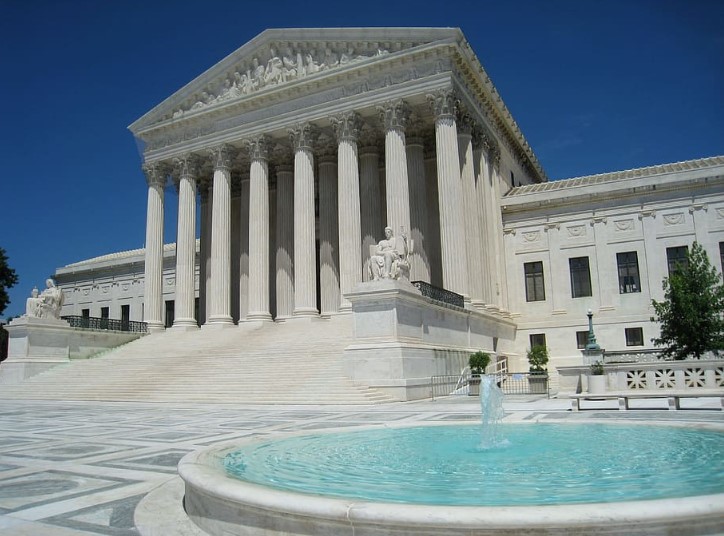
The Supreme Court’s use of its emergency “shadow” docket has delivered a series of favorable outcomes for President Trump—approving major executive actions on budget cuts, immigration, and mass firings during interim stages.
These decisions, granted without full oral arguments or extended deliberations, allow his policies to move forward while the underlying legal challenges wind their way through lower courts. Yet as the Court’s new regular term begins, many of these interim rulings will now face full merits review—tests that could affirm or overturn the gains made under expedited orders.
Observers note that while the emergency docket has proved a powerful tool for preserving momentum, the true test lies ahead in the longer, more rigorous legal battles. Whichever way those decisions go may reshape the limits of presidential authority and the role of the judiciary in checking it.