
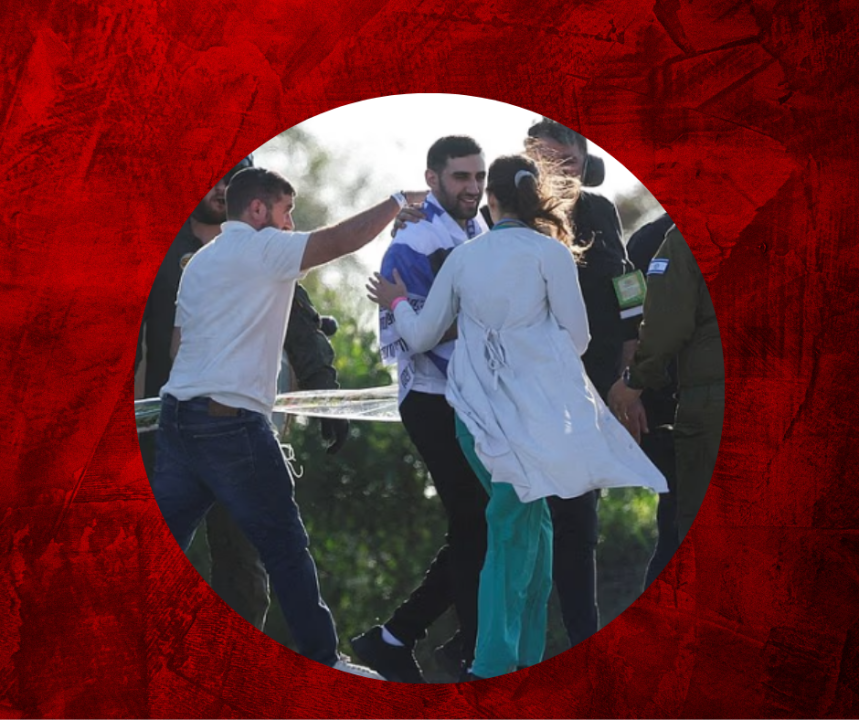
After more than two years in Hamas captivity, the 20 Israeli hostages released today revealed dramatic changes: severe physical deterioration, noticeable weight loss, and signs of chronic malnutrition.
Many appeared emaciated—some reportedly shedding 30 to 40 percent of their body weight. Their skeletal frames and sunken facial features stood in sharp contrast to their photos from before their abductions.
Several hostages returned with persistent infections, scars, and signs of weakened immunity. One individual, Avinatan Or, is said to have spent extended periods in total isolation, compounding his recovery challenges. Others show visible skin pallor, hair loss, and depleted energy levels.
Medical teams present at the return pointed to months of limited nutrition, psychological stress, and denial of medical care as likely causes of the physical decline. Rehabilitation, they warn, will be slow and complex, involving nutritional therapy, physical therapy, and psychiatric support.
Emotionally, release day was a mix of joy, tears, and shock. Families greeted the former captives with embraces and relief, yet many also expressed concern about how much they had changed. The hostages themselves spoke minimally, appearing focused on rest and care rather than media attention.
The extreme contrast between pre-abduction and post-return images reignited public reflection on the human cost of the conflict beyond the strategic and political headlines.