
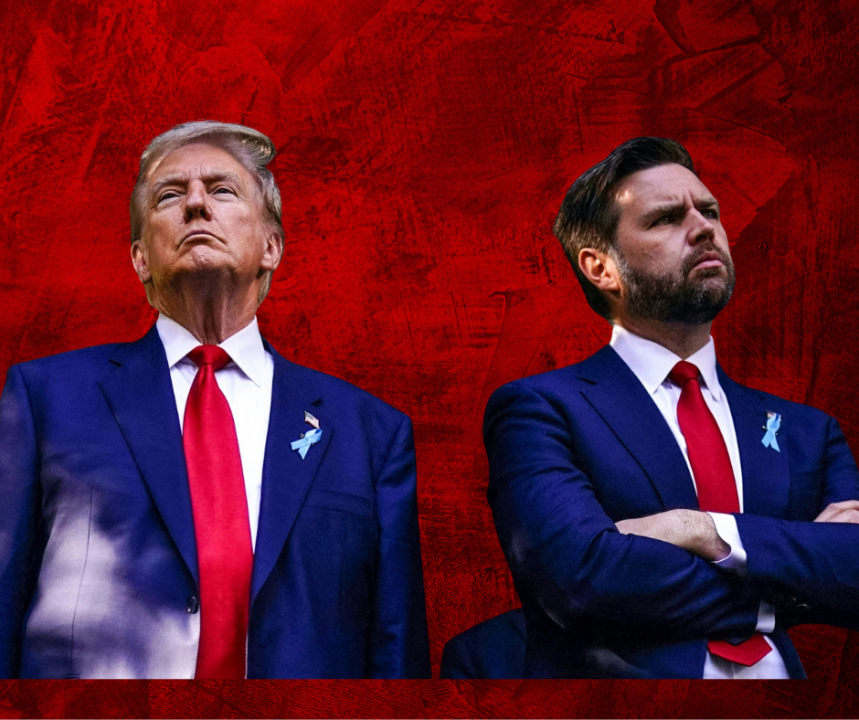
In a stunning rebuke to the White House, a coalition of Senate Republicans joined Democrats on Tuesday to vote against President Donald Trump’s tariffs on Brazilian imports, signaling deepening fractures within the GOP over trade and executive authority. The 52-48 vote nullified Trump’s emergency declaration that imposed a 50 percent tariff on Brazilian coffee, beef, and industrial goods—measures his administration claimed were essential to protecting American workers and countering currency manipulation.
Vice President J.D. Vance, who has emerged as one of the administration’s most vocal defenders of economic nationalism, privately urged Republican senators during a closed-door meeting to support the President’s trade stance. Vance reportedly warned that repealing the tariffs would embolden foreign competitors and weaken the administration’s leverage in broader trade negotiations. Despite the appeal, several prominent GOP lawmakers, including Senate Minority Leader Mitch McConnell, Susan Collins, Rand Paul, Thom Tillis, and Lisa Murkowski, broke ranks to back the Democratic resolution.
Critics of the tariffs argued that the policy had led to rising prices for U.S. manufacturers and consumers while straining diplomatic ties with Brazil—one of America’s largest agricultural partners. “We can’t afford to punish our own industries under the guise of nationalism,” one Republican senator said after the vote, reflecting growing unease over the administration’s aggressive trade posture.
The resolution, though largely symbolic for now, sends a powerful message about the limits of presidential authority on economic issues. The House of Representatives is not expected to take up the measure until 2026, and even if it passes, Trump could veto it. Still, the move underscores growing resistance among Senate Republicans, who are becoming increasingly vocal about unchecked executive power—particularly as the federal government shutdown approaches its second month.
The standoff over tariffs comes at a politically volatile moment. With essential workers going unpaid and public frustration mounting, Senate leaders are under pressure to find a path forward that addresses both the economic disruption of the shutdown and the escalating trade conflicts abroad.
The vote marks one of the most significant challenges yet to Trump’s domestic and foreign economic strategy, exposing rifts between the administration’s populist wing, led by Vance, and establishment Republicans wary of the long-term impact of trade wars. While the White House framed the tariffs as a necessary act of economic defense, the Senate’s defiance underscores a growing ideological divide—one that could shape the next phase of Trump’s presidency and the GOP’s identity in an era of renewed protectionism.