
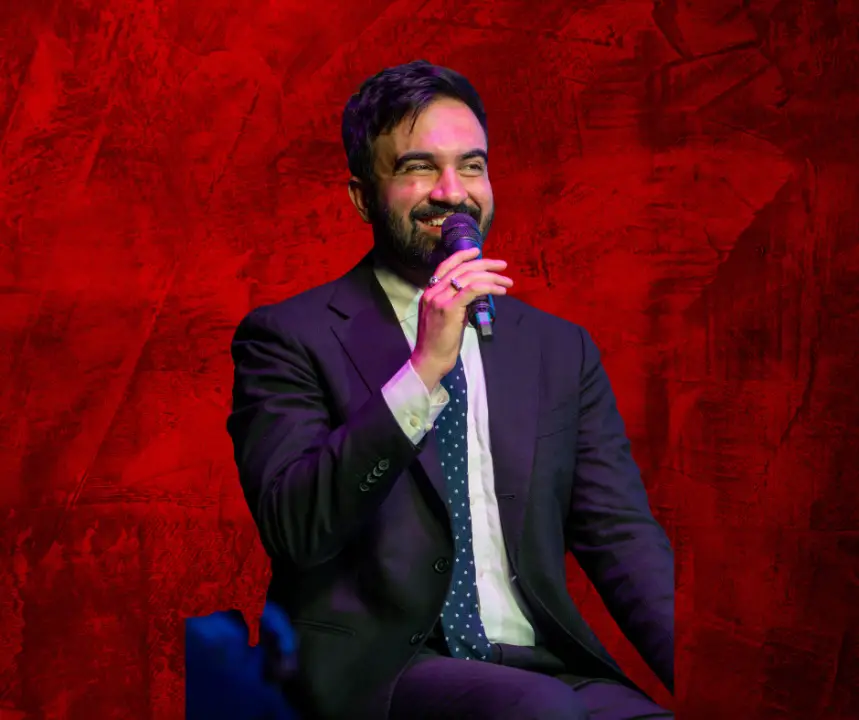
In a striking display of organizational muscle, mayoral candidate Zohran Mamdani has aligned himself with a broad coalition of over 110 political nonprofits, community organizations, and activist networks united behind his campaign.
At a recent event outside the Islamic Cultural Center of the Bronx, Mamdani was flanked by senior figures from this coalition, including noted educator and advocate Debbie Almontaser, who has joined his campaign in a leadership role. Almontaser, once forced to resign from her post over a controversial T-shirt slogan, now serves as a board member and advisor within Mamdani’s vast support network.
Analysts describe the alliance as a sophisticated blend of faith, identity, and political activism, noting that many of the supporting groups promote the campaign’s narrative in tandem with claims of bias or “Islamophobia” when opponents challenge Mamdani’s affiliations. Although Mamdani identifies as a Khoja Shia Muslim—a religious tradition distinct from his largely Sunni-affiliated supporters—the group has coalesced under a shared agenda to reshape New York City’s political landscape.
The coalition includes religious clerics, hard-line activists, longtime community organizers, and political operatives experienced in voter mobilization. Their strategy appears designed to defend Mamdani from criticism—such as his public association with Brooklyn imam Siraj Wahhaj—and to frame opposition remarks as religious or cultural attacks rather than genuine political scrutiny.
Observers warn that the convergence of religion-based advocacy and electoral ambition signals a new dynamic in urban politics, where political Islam intersects with local election campaigns. As Mamdani’s campaign gains momentum, questions are mounting about how this network will influence governance if he attains office—and how critics will respond.