
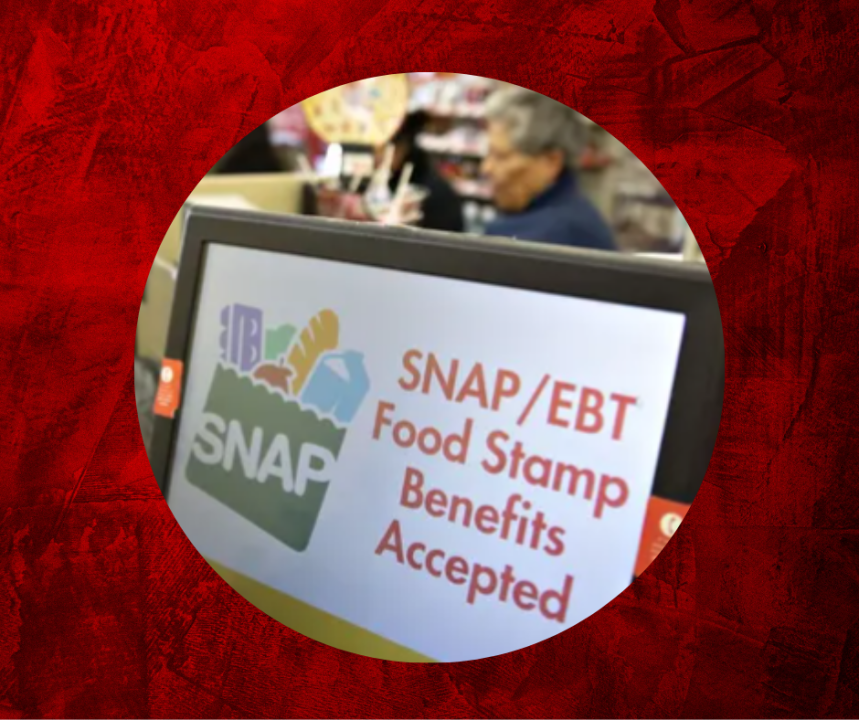
The ongoing federal shutdown has placed the Supplemental Nutrition Assistance Program (SNAP) on the brink of a major funding shortfall, threatening vital food aid for more than 42 million Americans.
According to federal data, roughly one in eight U.S. households depends on SNAP benefits, with the program distributing nearly $100 billion annually. The average monthly benefit stands at around $187 per person, supporting families, seniors, and low-income workers who rely on the program to meet basic nutritional needs.
Officials have warned that contingency funds available to sustain SNAP during the shutdown will not cover even a full month of payments. Without congressional action, millions could see their benefits suspended, leaving households across the country struggling to afford groceries.
Children and working-age adults make up the largest share of SNAP recipients, while nearly one in five beneficiaries are seniors. Many states have begun preparing emergency measures to address potential delays, including the use of reserve funds and coordination with local food banks.
Experts warn that the lapse in funding could have cascading effects on local economies, as retailers, grocers, and farmers who rely on SNAP transactions face significant revenue losses. The looming crisis underscores the far-reaching impact of the federal stalemate—turning political gridlock into real-world hardship for millions of American families.