
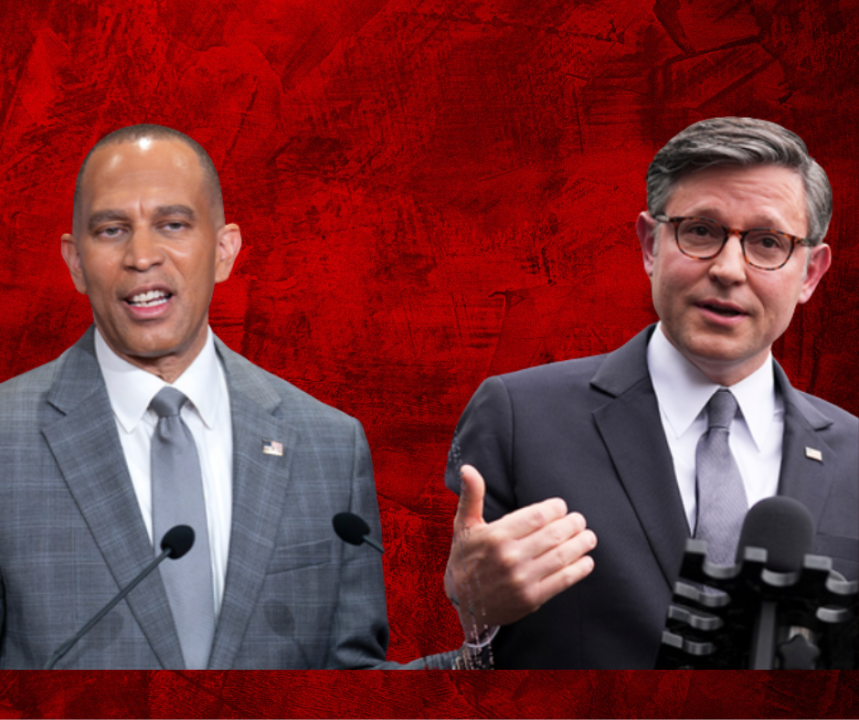
In the wake of the 2025 elections, congressional Democrats are asserting that their recent victories in key states reflect a new national mandate for their agenda. They point to Sunday wins in New Jersey and Virginia, where candidates aligned with Democratic priorities overcame significant Republican challenges.
House and Senate Democratic leaders suggest these results validate campaign promises centered around affordability—specifically housing, energy and healthcare—believing public sentiment is shifting in their favor. One top Democrat noted the victories signal a broader appetite for progressive policy pivots heading into the 2026 midterm cycle.
Republicans, however, reject the notion of a sweeping mandate, arguing the wins were driven by unique local dynamics—including incumbents’ unpopularity and demographic shifts—rather than broad national support for Democratic governance. They warn focusing on the term “mandate” could obscure strategic work needed to regain influence.
As both parties prepare for the upcoming election cycle, the question looming now is whether the Democratic narrative of a public-policy reset holds up or whether Republicans’ dismissal of it as a mirage underscores deeper vulnerabilities in their coalition.