
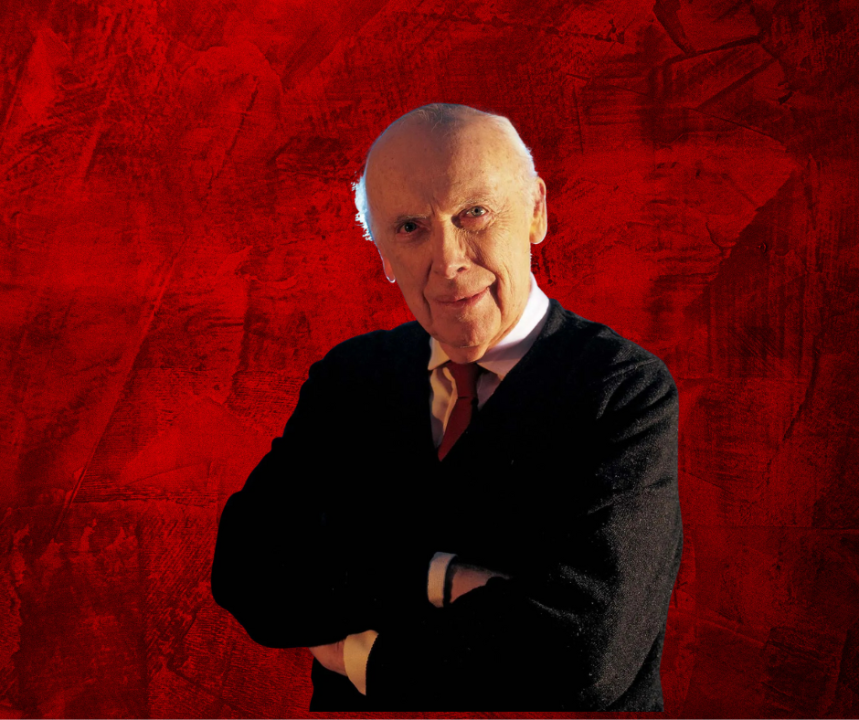
Renowned molecular biologist James Dewey Watson passed away on November 6, 2025, at the age of 97, his family and former research institution announced. He died in hospice care after a brief illness, officials said.
Watson was celebrated globally for his groundbreaking co-discovery in 1953 of the double-helix structure of DNA, alongside Francis Crick and Maurice Wilkins. The revelation unlocked new understanding of how genetic information is stored and transmitted across generations. The trio received the 1962 Nobel Prize in Physiology or Medicine for their work.
Born in Chicago on April 6, 1928, Watson pursued his Ph.D. at Indiana University and later conducted research at Cambridge’s Cavendish Laboratory, where his collaboration with Crick led to the definitive DNA model. His career spanned decades of contributions to molecular biology, including leadership roles at the Cold Spring Harbor Laboratory and early work on the Human Genome Project.
Watson’s scientific achievements have had lasting impacts—from genetics and biotechnology to medicine and forensic science—placing him among the most influential scientists of the 20th century.
Yet his legacy is layered. In his later years, Watson faced intense criticism for repeated public remarks about race and intelligence, resulting in professional consequences, including the removal of honorary titles and positions. These controversies complicated public perception of his legacy despite his vital scientific contributions.
He is survived by his wife, Elizabeth, their two sons, and a grandson. A memorial service is expected to be held at Cold Spring Harbor, where Watson spent much of his career advancing biological research and education.