
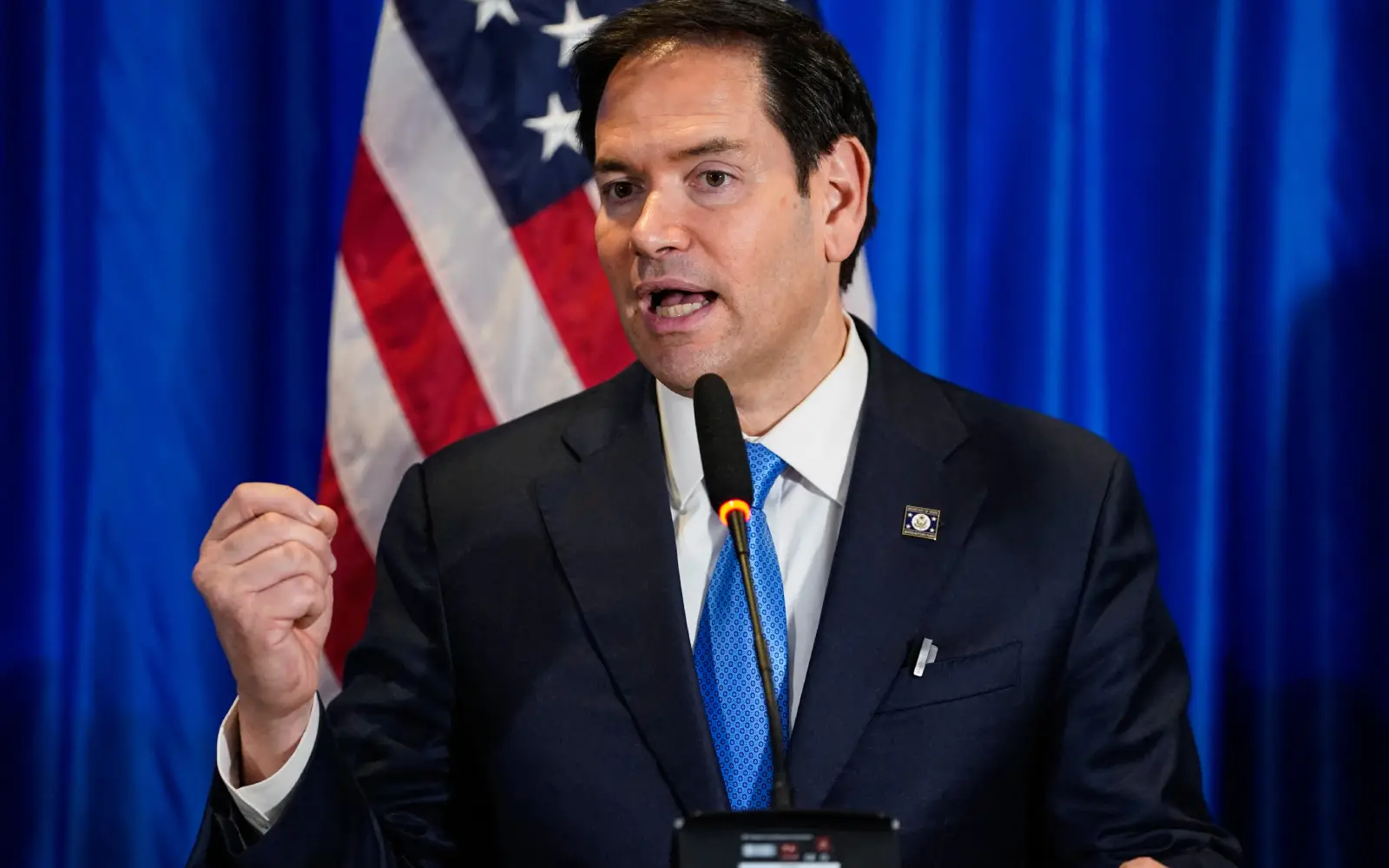
U.S. Secretary of State Marco Rubio and special envoy Steve Witkoff are scrambling to recalibrate an embattled 28-point peace proposal aimed at resolving the war in Ukraine after facing intense backlash from Kyiv, U.S. lawmakers and European allies.
The original draft, which was leaked and widely criticized for mirroring Russian negotiators’ demands, proposed sweeping concessions by Ukraine—including territorial forfeiture, limits on its arsenal and a ban on joining NATO. Debate erupted over the plan’s authorship, with accusations it was more Russian blueprint than U.S. strategic framework. Rubio later insisted the U.S. authored the document but acknowledged it draws on input from both Ukraine and Russia.
In Geneva a joint meeting between U.S. and Ukrainian officials produced a revised draft. Ukrainian delegates confirmed that the updated version better aligns with their national interests and provides more robust security guarantees. Despite this progress, senior European leaders remain wary, cautioning the agreement still lacks key safeguards and appears to favor Moscow’s advantage.
With time running short, the U.S. team is attempting to regain control of the narrative and shore up support for the framework. The outcome of these revisions may significantly influence the trajectory of any negotiated peace between Ukraine and Russia.