
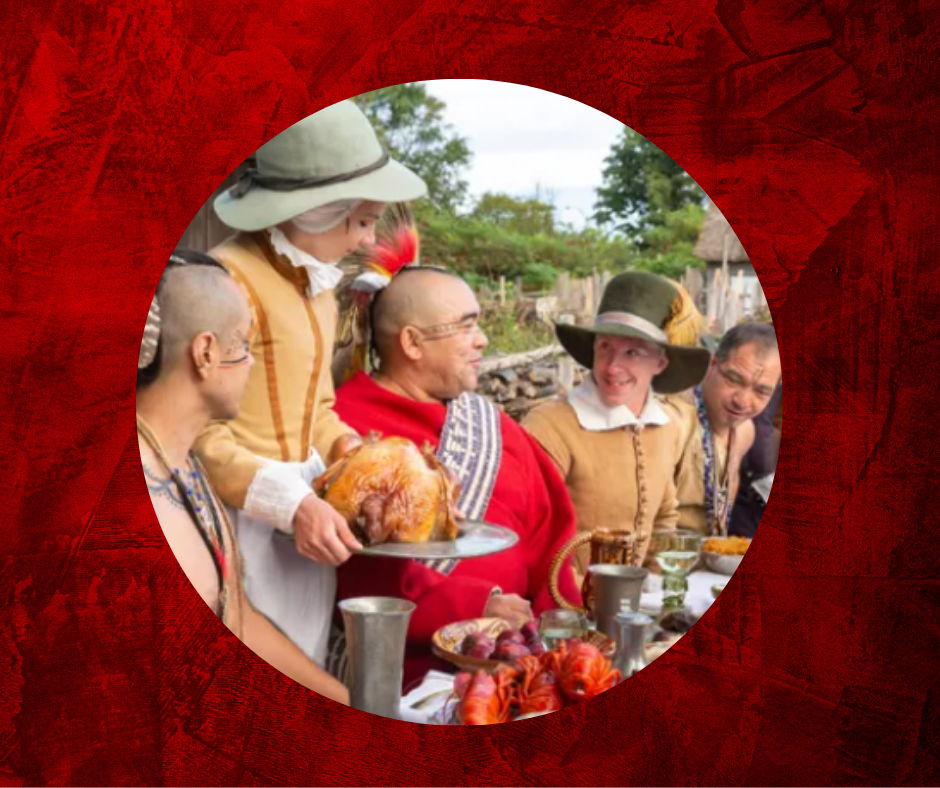
In campuses and school districts across the United States this year, holiday traditions are shifting as many educators urge communities to reconsider Thanksgiving. Rather than a simple celebration, they describe it as a complex legacy — one with deep historical wounds for Indigenous peoples.
Institutions such as California Institute of Technology (Cal Tech), Washington University in St. Louis, University at Buffalo, University of Maine and others have organized “Decolonizing Thanksgiving” events. These gatherings often invite students and staff to learn about how colonialism impacted Native communities — exploring themes such as land theft, cultural erasure, and the ongoing effects of those injustices. Some events also emphasize recognizing the National Day of Mourning, an observance that honors Indigenous history and trauma rather than celebrating settler origins.
In certain school districts, educators have replaced traditional “Pilgrim-and-Native” art projects with classroom discussions about Native perspectives and historical context. For some Native families and individuals, this reframing allows Thanksgiving to be acknowledged as a solemn time of remembrance and respect — not just festivities.
The shift reflects growing awareness among many academic communities and families that American history around Thanksgiving carries real pain for Indigenous populations. As a result, what was once a nationwide holiday rooted in myth is now being re-examined across generations and institutions, turning traditions into opportunities for education, empathy and honesty.