
The United States is now engaged in what a key U.S. senator describes as a full-scale war against Venezuelan drug networks, with overdose deaths tied to narcotics from the region allegedly surpassing the U.S. loss in the Vietnam War.
During a Sunday interview, Senator Dave McCormick (R-Pa.) asserted that last year alone, over 100,000 Americans died from drug overdoses — a figure he compared to the wartime casualties suffered decades ago. He linked that surge to shipments of drugs, including fentanyl and cocaine, allegedly trafficked through Venezuela and aimed at the U.S. homeland.
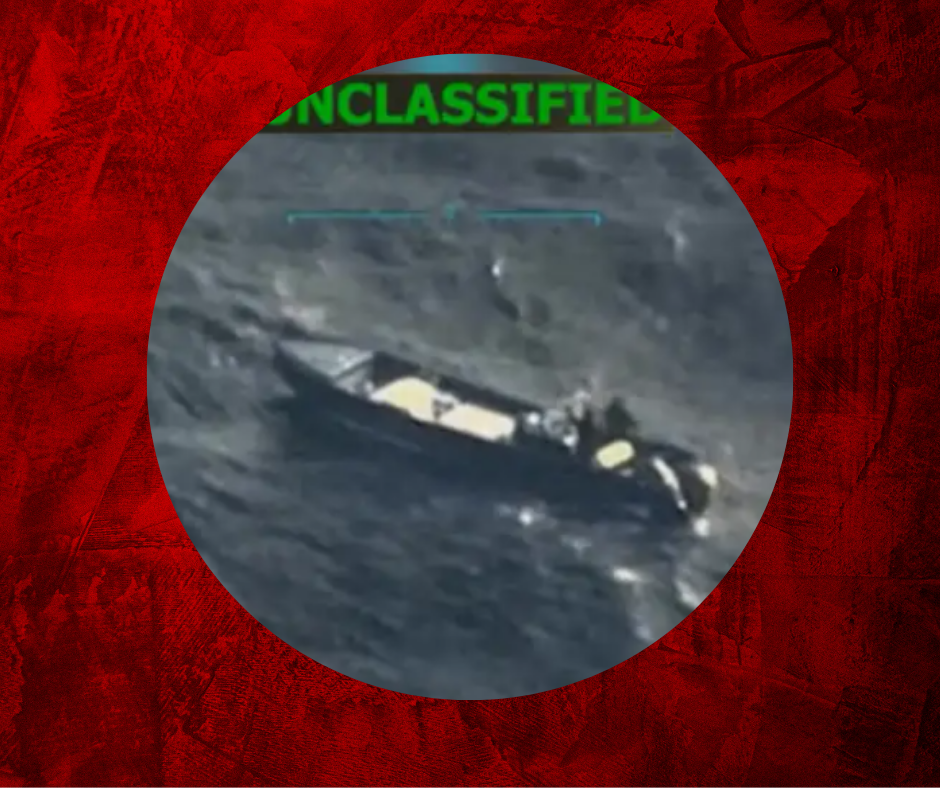
That claim comes as the U.S. government, under Donald Trump’s leadership, has dramatically intensified military operations against alleged drug-trafficking vessels off the coasts of Venezuela and throughout the Caribbean and Pacific. Many of the boats reportedly belong to groups labeled “narco-terrorists,” with the administration arguing the operations are necessary to dismantle a network that poses a severe national security threat.
As part of this campaign, the U.S. has deployed warships, launched airstrikes on suspected narcotics boats, and closed Venezuelan airspace to international flights — all in a bid to choke off trafficking routes and pressure what the U.S. describes as a regime complicit in narcotics operations.
Supporters of the crackdown argue that these aggressive measures are justified given the scale of overdose deaths and the threat posed by international drug smuggling. Others — including legal experts and some lawmakers — warn that the campaign raises serious legal and ethical questions about due process, sovereignty, and whether military force is the appropriate tool to address drug trafficking.