
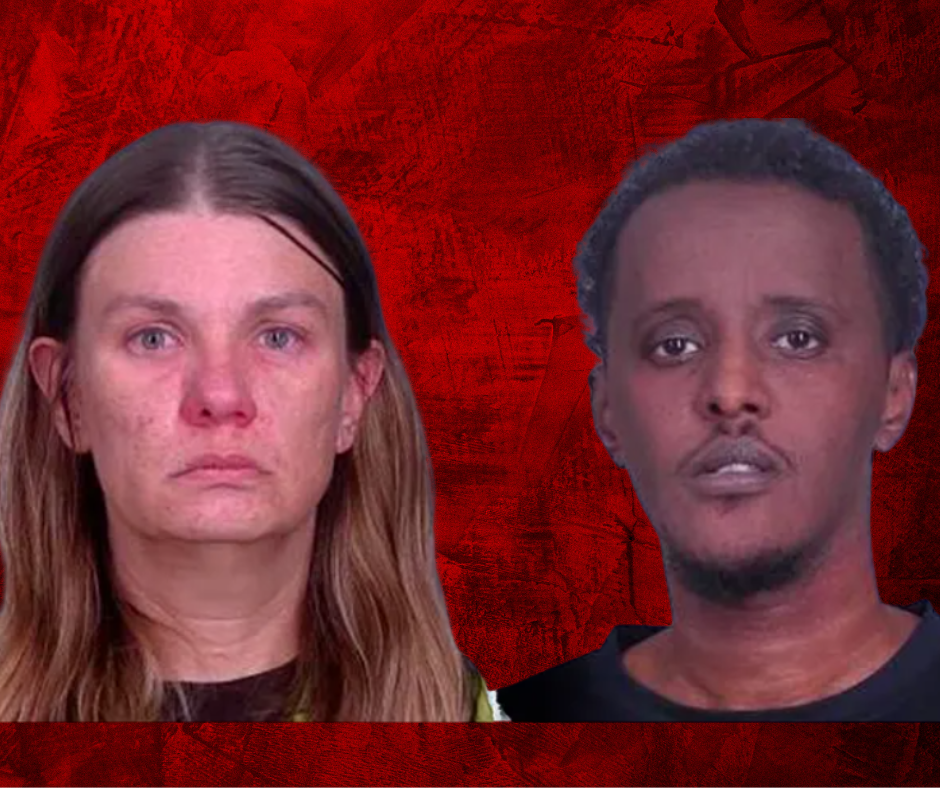
Federal investigators say a massive fraud scheme drained roughly $250 million from a government-funded child nutrition program, with money intended to feed children instead used to finance luxury homes, high-end vehicles, and other personal indulgences.
According to court filings and charging documents, the operation relied on shell nonprofits and fake vendors that claimed to be providing meals to underserved communities. Prosecutors allege participants submitted falsified paperwork and wildly inflated meal counts, allowing them to collect large reimbursements while delivering little or no food.
Authorities say the stolen funds were routed into mansions, luxury cars including Mercedes vehicles, expensive jewelry, and international travel. Investigators described the spending as blatant and excessive, contrasting sharply with the program’s original mission to support vulnerable children.
Multiple defendants have been charged, and several cases remain active as prosecutors continue to trace money flows and identify additional participants. Officials say the scope of the fraud exposed serious weaknesses in oversight, including limited verification and reliance on self-reported data during the program’s rapid expansion.
The case has become one of the largest fraud prosecutions tied to public nutrition funding, prompting renewed calls for stricter controls, stronger audits, and tighter safeguards to prevent abuse of taxpayer-funded assistance programs.