
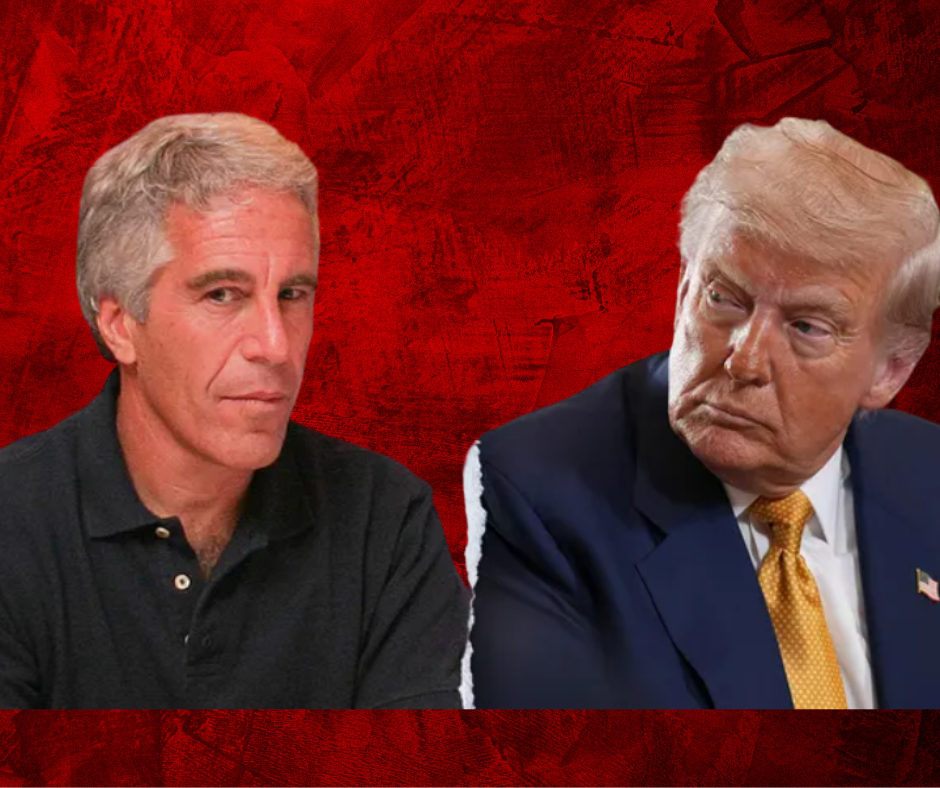
Republican lawmakers are accusing Democratic members of selectively releasing internal documents in a way that they say misrepresents former President Donald Trump’s connections to Jeffrey Epstein.
According to GOP leaders, only specific portions of records were disclosed, leaving out contextual information that they argue would provide a more complete understanding. They contend that this practice has shaped a narrative that unfairly ties Trump to Epstein’s activities and influences public perception.
Republicans assert that full, unedited materials would show a different picture than the one emerging from the partial releases. They say that withholding complete records undermines transparency and that all relevant documents should be made available rather than only select excerpts.
Democratic lawmakers, for their part, maintain that the documents released are pertinent to ongoing congressional oversight and that sharing them serves the public interest. They argue that the disclosures focus on items they believe are most relevant to the inquiry at hand.
The disagreement highlights a broader partisan dispute over how sensitive historical records should be handled and what constitutes appropriate transparency in congressional investigations. Both sides are calling for clarity and complete access to the underlying materials, though they differ sharply on which parts should be public and why.