
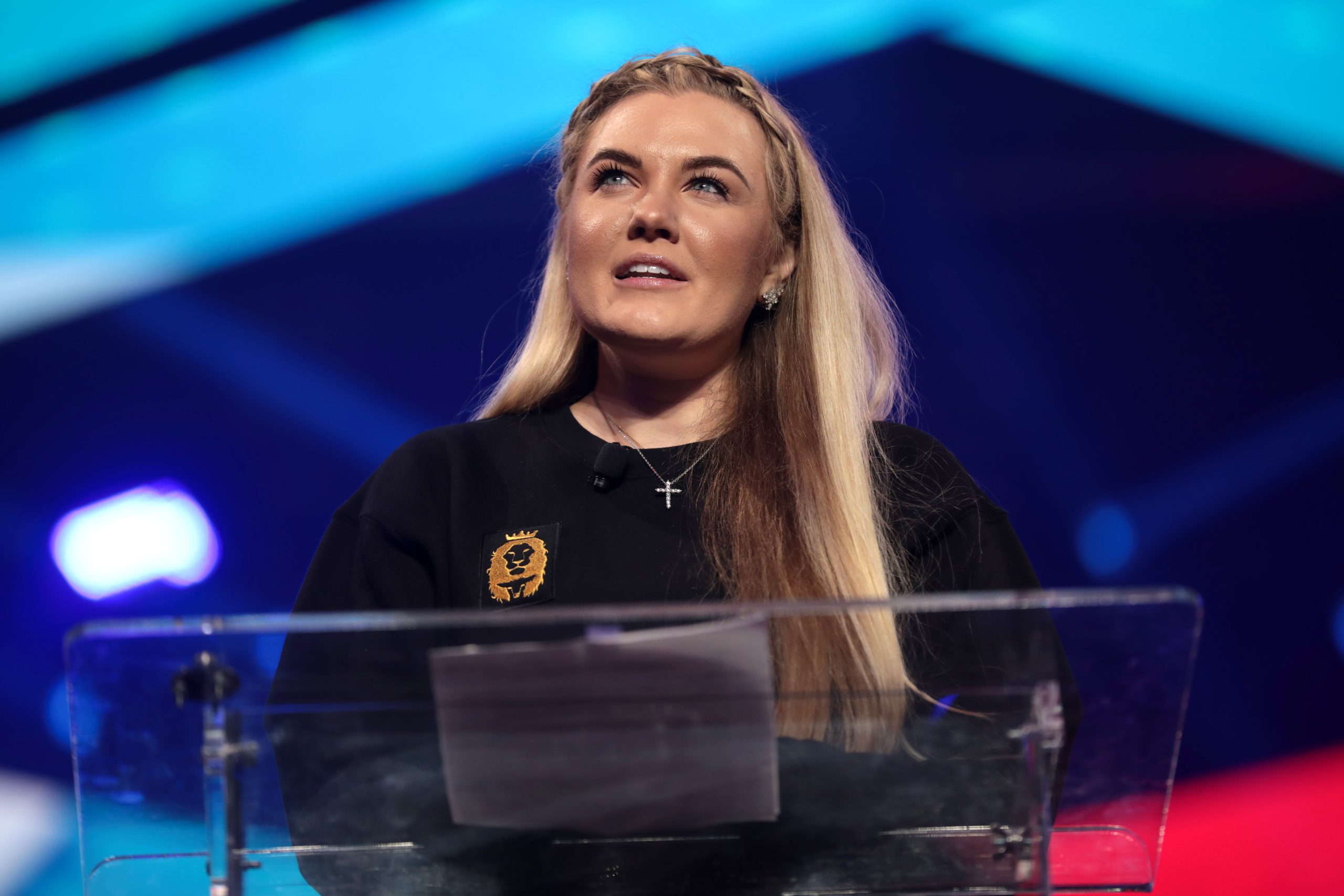
In recent weeks, heated disagreements among conservative figures — including tensions between David Marcus and Erika Kirk’s mother — have underscored a growing challenge within the movement: infighting that distracts from broader goals.
These personal clashes, played out publicly across social media and commentary platforms, have drawn attention not for advancing policy but for highlighting divisions on style, priorities, and messaging. Rather than focusing energy on external political opponents or shared policy objectives, some activists and influencers are spending valuable time critiquing one another.
Observers say this trend mirrors a long-simmering tension between different wings of the conservative coalition, where debates over strategy and emphasis sometimes overshadow unifying efforts. Such internal disputes risk diminishing the movement’s effectiveness in key arenas like legislative advocacy, voter engagement, and media outreach.
The larger concern is not the individuals involved but the pattern of conflict that can sap momentum and shift focus away from substantive issues like economic policy, national security, and cultural priorities. Critics of the discord argue that when internal disagreements dominate headlines, the broader public sees a fractured movement rather than a cohesive platform.
To strengthen conservative influence, commentators suggest a renewed emphasis on coalition building, constructive debate, and clear communication of shared values. In practice, this means prioritizing policy outcomes over personal disagreements and finding ways to collaborate even amid differing viewpoints.
Ultimately, maintaining unity around core goals may prove more impactful than allowing interpersonal conflicts to define the narrative — a lesson seen as increasingly necessary as political battles accelerate ahead of key elections.