
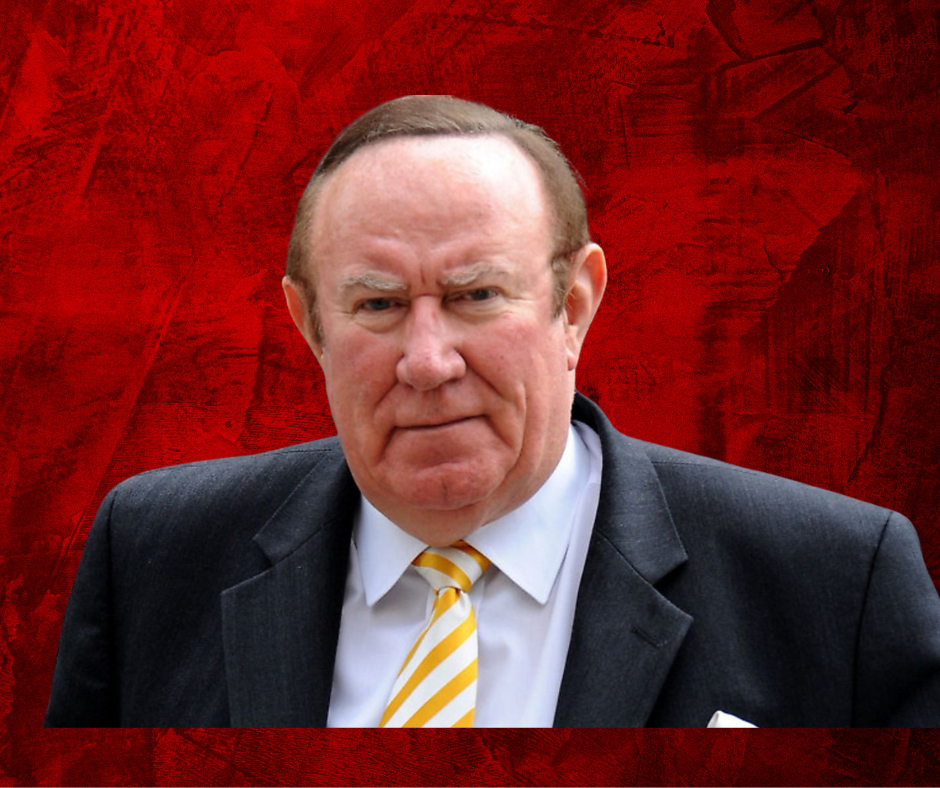
Political commentator Andrew Neil argues in a recent column that the traditional “old world order” — longstanding global power structures and alliances — appears to be fracturing in the modern era.
Neil writes that shifts in geopolitical influence, driven by economic change and emerging national priorities, have unsettled the post-World War II system that once anchored international relations. He suggests that established institutions and agreements are being tested as nations pursue divergent strategies.
The piece highlights how rising powers, evolving security challenges, and shifting economic centers have complicated the global landscape. Neil points to changes in diplomatic alliances, trade relationships, and defense postures as indicators that the familiar international framework may be losing cohesion.
While acknowledging that periods of transition have occurred in history, Neil emphasizes the scale and speed of current developments, saying they fuel uncertainty about what comes next. He frames the moment as a critical juncture for leaders and policymakers worldwide.
Neil’s commentary does not predict a specific outcome but underscores the significance of ongoing changes and the need for strategic responses. He closes by questioning how well current institutions can adapt to a world in flux and what new patterns of cooperation may emerge in the years ahead.