
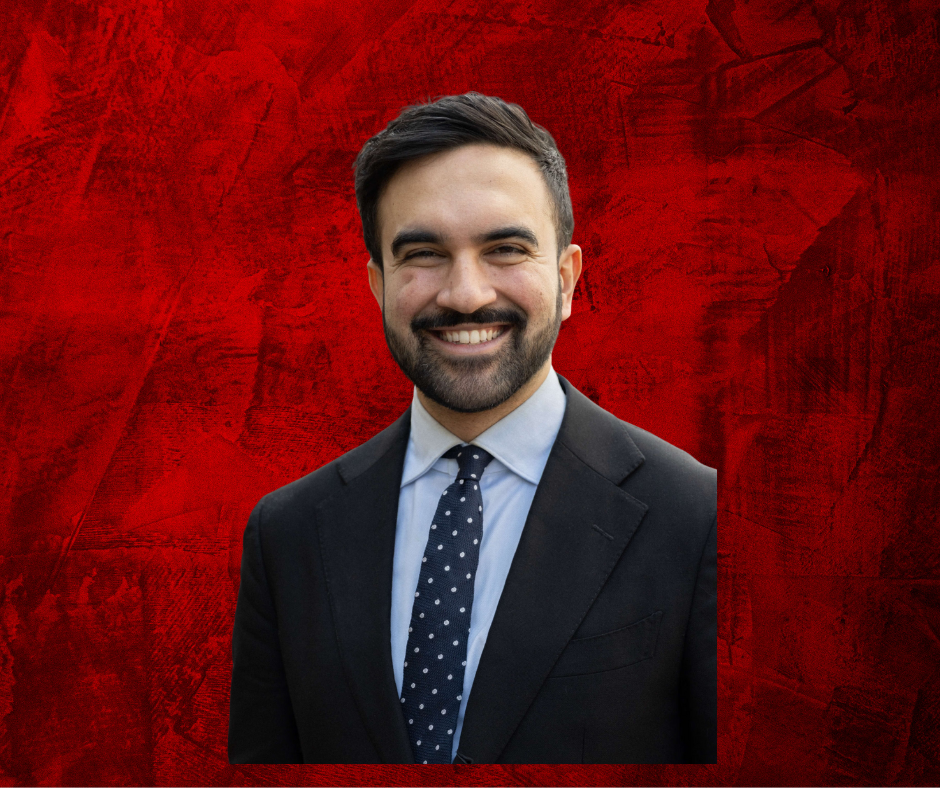
Israel’s government sharply criticized New York City Mayor Zohran Mamdani after he used his first day in office to revoke several executive orders from the previous administration that were seen as supportive of the Jewish state.
Mamdani’s initial actions included undoing city policies that had barred municipal agencies from participating in boycotts of Israel and that had adopted a particular definition of antisemitism used to guide local government responses to hate incidents. Israeli officials reacted strongly, posting statements accusing Mamdani of adding “antisemitic gasoline to an open fire” by scrapping those measures.
The orders in question were part of a suite of executive directives issued late in the prior mayor’s term, aimed at formalizing New York City’s stance against discrimination and articulating restrictions on advocacy actions by city employees. Mamdani’s repeal of those provisions immediately drew rebukes from Israeli authorities and concern from some Jewish advocacy groups about the implications for local efforts to combat antisemitism.
In response to the backlash, Mamdani defended his decisions as part of a broader reset of city policies, saying his administration remained committed to fighting all forms of hate, including antisemitism, while also reconsidering how definitions and restrictions influence free speech and civic engagement. Supporters of the revocations argued the previous orders were overly broad and could limit legitimate political expression.
The exchange underscores deep sensitivities around municipal policy on international issues and highlights how city governance decisions can reverberate well beyond local borders, touching on foreign relations and debates over definitions of discrimination.