
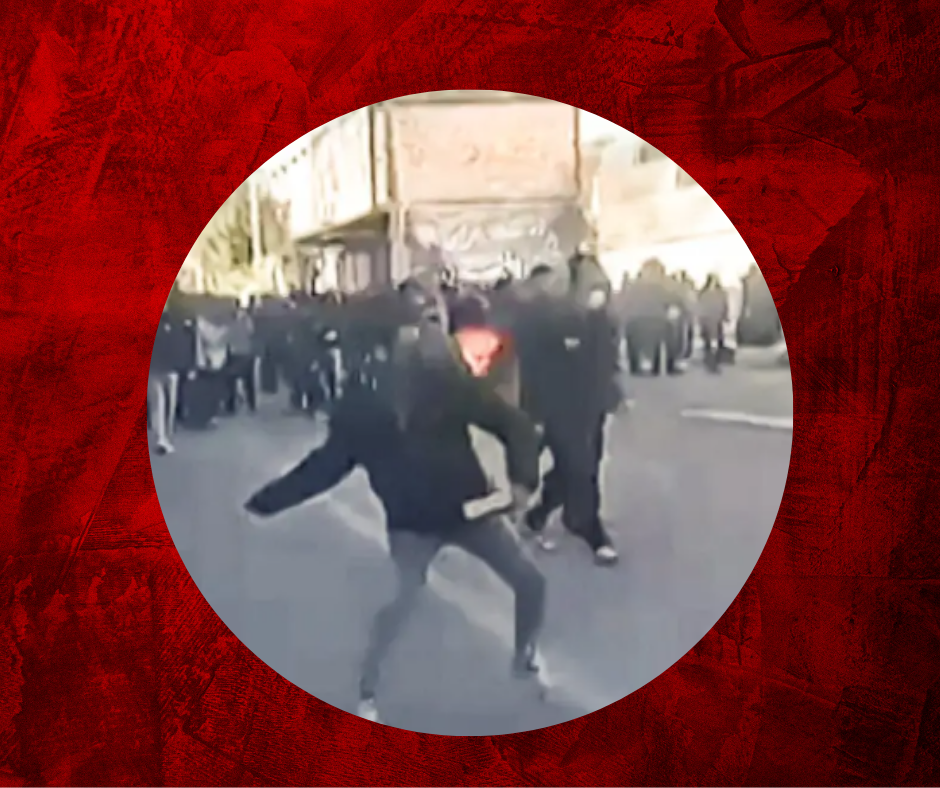
Heightened tensions between Iran and the United States escalated after Tehran warned that American military personnel in the region could be considered “legitimate targets” if Washington interferes in Iran’s internal unrest.
The declaration from Iranian officials came amid widespread protests inside the country, where citizens have taken to the streets to express grievances over economic hardship and political conditions. Iranian leaders framed their warning as a response to what they view as foreign interference, signaling a more confrontational posture toward U.S. forces stationed in neighboring areas.
The warning followed public comments from President Donald Trump, who stated that U.S. troops were prepared to defend themselves and protect American interests if necessary. Trump’s remarks emphasized that while the United States does not seek conflict, it is ready to act decisively should Iranian actions threaten American lives or installations.
The situation reflects ongoing friction between Washington and Tehran, with both sides issuing firm statements amid a volatile backdrop of civil unrest and regional power dynamics. U.S. defense officials have reiterated their commitment to safeguarding service members while monitoring developments closely.
International observers are watching the exchange with concern, noting how quickly internal protests in Iran have intersected with broader geopolitical tensions. Diplomatic efforts and messaging from both capitals remain critical as the standoff continues, raising questions about potential implications for stability in the Middle East.
As both countries maintain firm positions, global attention is focused on the evolving situation and the risks of miscalculation in a region already marked by longstanding hostilities.