
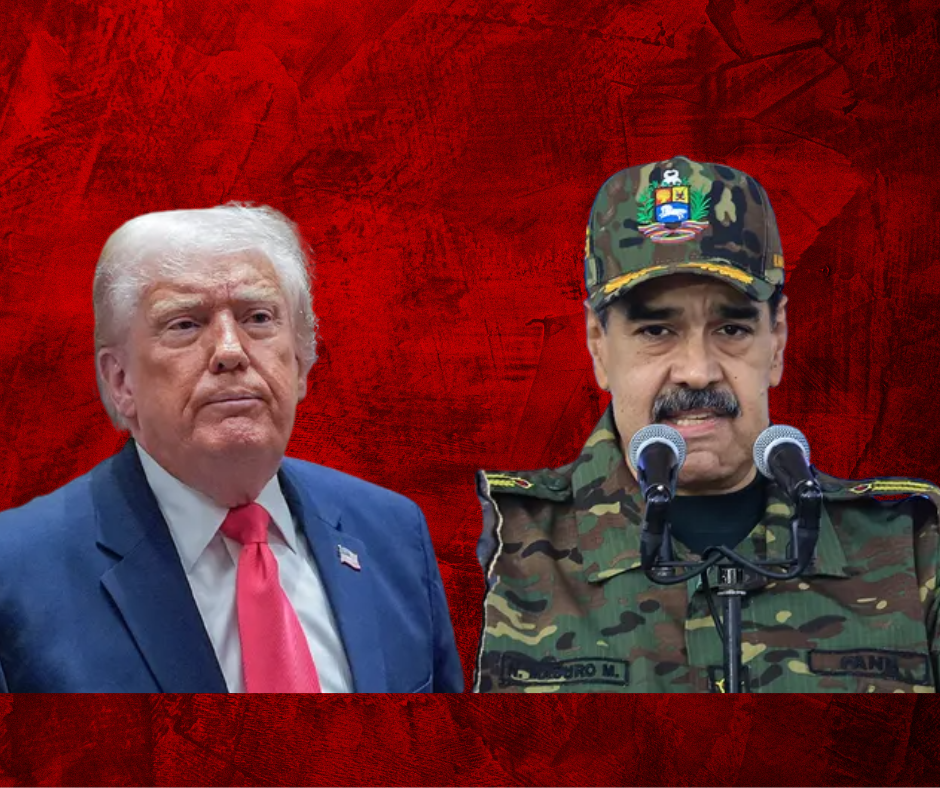
A prominent legal commentator has weighed in on the Trump administration’s recent operation to capture Venezuelan leader Nicolás Maduro, arguing that the mission falls within the bounds of U.S. law and constitutional authority.
In a detailed analysis, the expert explained that presidential powers as commander-in-chief provide a legal foundation for actions taken against foreign leaders who pose threats to national interests or have been involved in serious abuses. According to the assessment, statutes and precedents related to executive authority support the administration’s decision to carry out the Maduro operation.
The commentator addressed key legal questions raised by critics, who argue that such an operation may overstep constitutional limits or violate international norms. In response, the analysis noted that U.S. statutes governing the use of force and the president’s constitutional role in foreign affairs give broad discretion in responding to national security concerns.
Supporters of this interpretation emphasize that legal review and counsel likely informed the administration’s planning, ensuring that actions taken align with both domestic legal frameworks and treaties to which the United States is a party. They argue that decisive measures against leaders accused of corruption, human rights violations, and destabilizing conduct can be justified when pursued through established legal channels.
The legal discussion highlights how interpretations of executive authority can vary widely among scholars, practitioners, and policymakers. As debate continues over the implications of the Maduro operation, legal experts on both sides agree that the case will remain a reference point for future questions about presidential power, international engagement, and the rule of law.
This commentary adds substantive context to the national conversation about how far U.S. leaders can go in addressing foreign crises, especially when actions intersect with contested interpretations of constitutional and international law.