
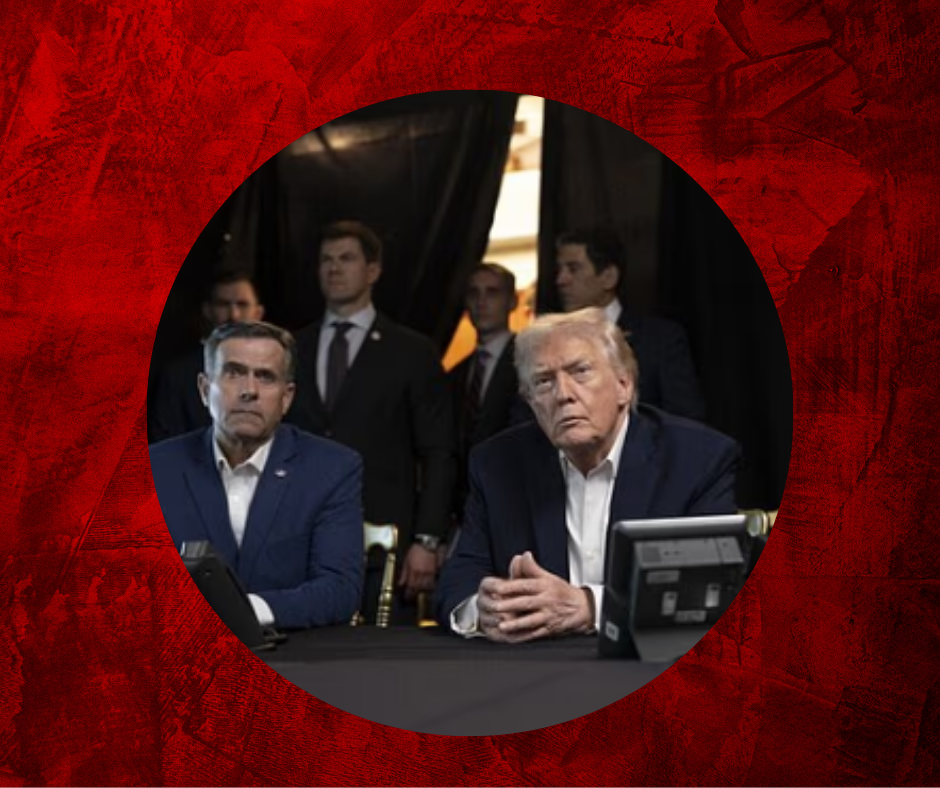
Several senior U.S. officials played central roles in planning and executing the high-stakes operation that led to the capture of Venezuelan leader Nicolás Maduro, painting a picture of a tightly coordinated effort within the White House and national security apparatus.
At the center of the effort was President Donald Trump, who authorized the mission and maintained regular briefings with top aides throughout the planning and execution phases. Trump’s decision-making guided strategic discussions and final approval of operational plans.
National Security Advisor and senior defense officials were heavily involved in shaping the tactical approach. These leaders oversaw interagency collaboration, ensuring that intelligence, military, and diplomatic components were aligned. They worked with commanders in relevant military commands to fine-tune logistics, timing, and risk assessments.
Elements of the intelligence community provided detailed analysis on target locations, potential threats, and operational windows. Their assessments were crucial in minimizing risk to U.S. personnel and determining how to move forward in a rapidly changing environment.
Senior State Department representatives also contributed by advising on diplomatic implications and communication strategies with regional partners. Their input was aimed at managing fallout abroad and reinforcing U.S. policy goals related to democratic transition and regional stability.
Defense and law enforcement agencies coordinated closely to execute the mission itself. Commanders on the ground and senior officials in Washington maintained communication throughout, ensuring real-time decision-making as developments unfolded.
Together, this inner circle of policymakers and practitioners shaped one of the most consequential foreign operations in recent U.S. history, reflecting a blend of military precision, intelligence coordination, and executive leadership aimed at achieving a strategic objective in Venezuela.