
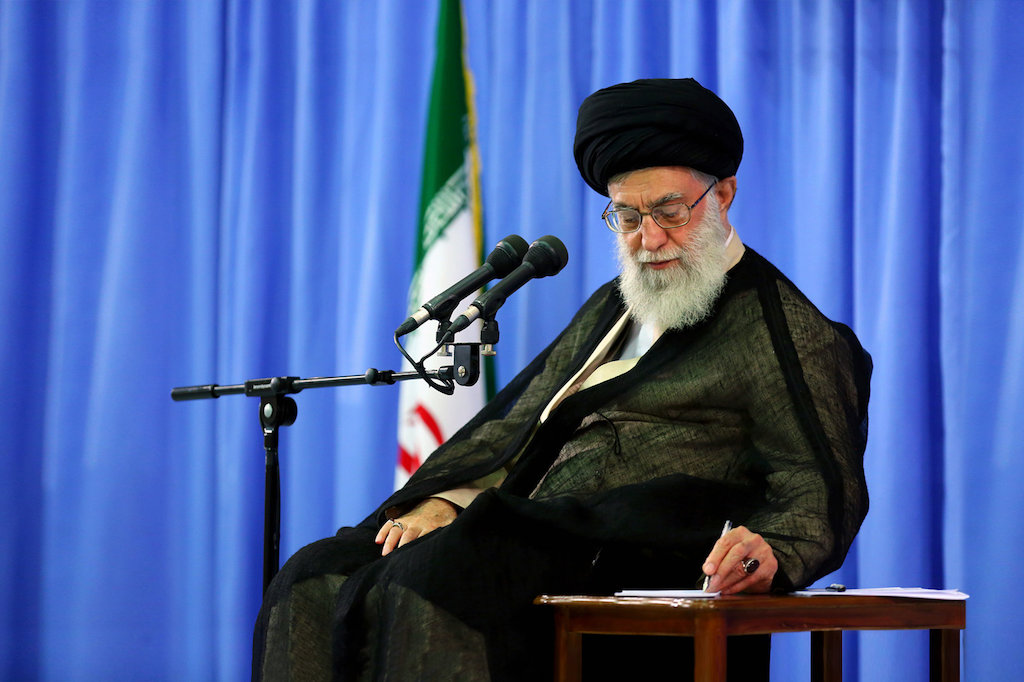
Iran’s Supreme Leader, Ayatollah Ali Khamenei, has issued a direct warning to the United States in a statement posted in Russian, signaling Tehran’s concern over Washington’s posture amid ongoing regional unrest.
The message, addressed to the American government and people, used Russian as a strategic choice of language, underscoring Iran’s effort to communicate both to the U.S. and to a broader international audience. Khamenei’s remarks emphasized that Iran views any foreign interference, especially from the United States, as unacceptable and warned of serious consequences if such involvement escalates.
The unusually broad language in the warning comes as Iran faces widespread domestic protests triggered by economic hardship and political frustrations across the country. The unrest has drawn global attention and intensified scrutiny of Tehran’s internal policies.
By conveying the warning in Russian, Iran’s leadership appears to be signaling not only to the U.S. but also to Russia and other international actors about its position and alliances. The move reflects Tehran’s broader geopolitical strategy amid heightened tensions with the West.
This development adds another layer to already strained U.S.–Iran relations, which have been marked by decades of mutual distrust and confrontations over military, nuclear, and diplomatic issues. Iran’s leadership is increasingly using public messaging to assert its stance and to caution against actions it perceives as threats to its sovereignty and stability.