
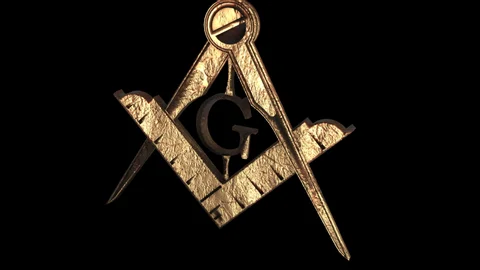
Interest in the Freemasons, one of the world’s oldest fraternal organizations, has surged as their London headquarters and internal traditions attract public curiosity and speculation.
The organization, which traces its roots back centuries, has long maintained a reputation for privacy. Its cornerstone building in the British capital — once the site of a major WWII bombing — now houses ceremonial halls and meeting spaces for members. Freemasons conduct private initiation rites and gatherings, which the group says are symbolic and central to its long-standing traditions.
Over the years, the Freemasons have counted numerous well-known figures among their ranks, including politicians, military leaders, entertainers, and businesspeople. These high-profile memberships have helped fuel public fascination with the order’s influence and practices.
Despite persistent rumors and conspiracy theories, many of which exaggerate or misinterpret Masonic symbolism and ritual, the organization emphasizes that its activities focus on fraternity, charity, and personal development. Freemasonry supports a variety of philanthropic initiatives worldwide, including scholarships, medical research funding, and veteran assistance programs.
Experts on secret societies note that while the Freemasons’ confidentiality can appear mysterious, much of what outsiders find intriguing stems from a lack of public understanding rather than evidence of wrongdoing. As curiosity grows, historians and members alike are stepping forward to describe the group’s history, values, and role in modern society.