
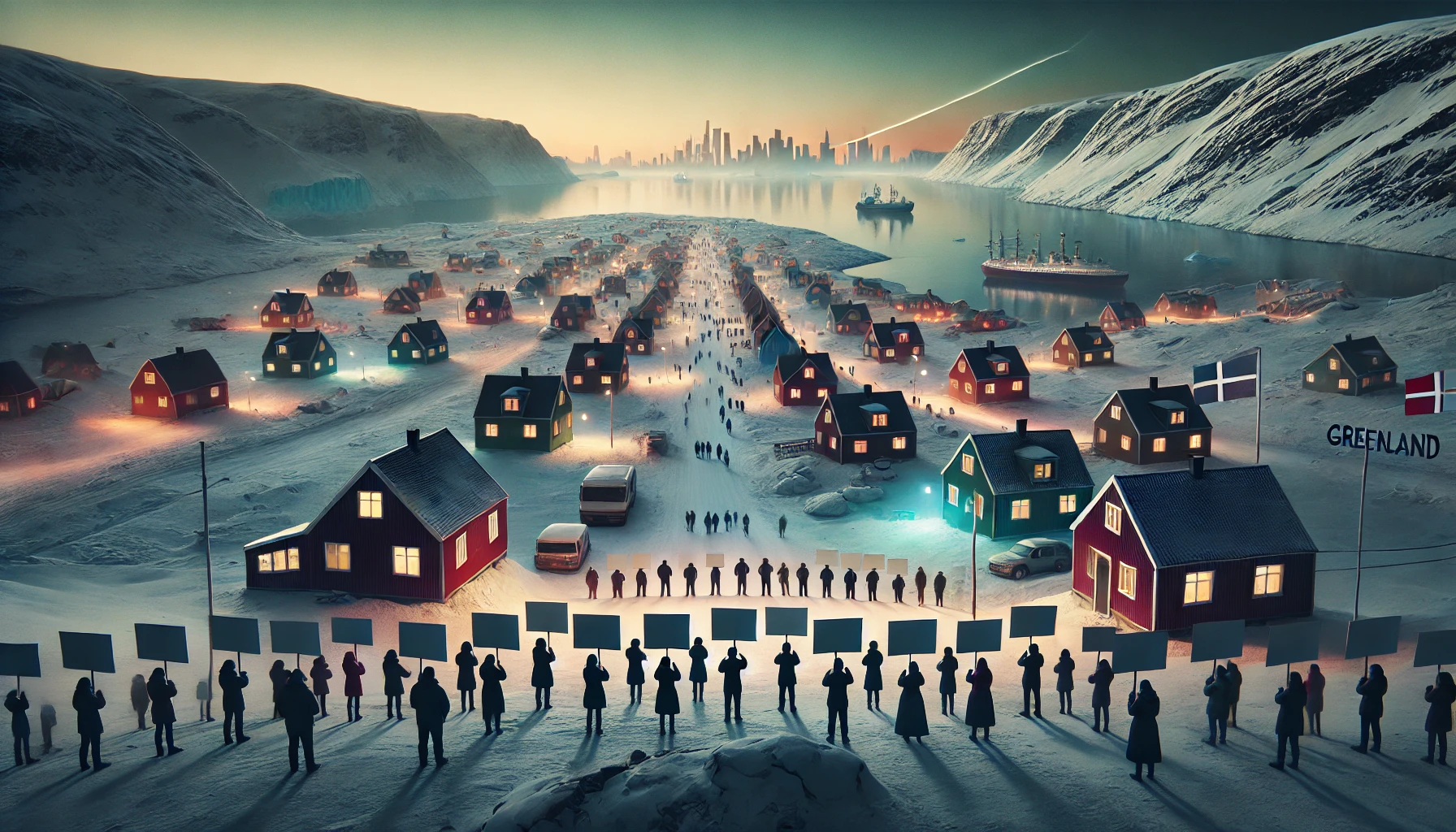
Residents across Greenland are increasingly speaking out against Danish governance, expressing deep frustration with what they describe as long-standing political and economic control by Copenhagen. In interviews and public forums, many Greenlanders say they feel their future has been shaped more by decisions made in Denmark than by their own local leadership, fueling a rising call for greater autonomy or full independence.
Critics of Danish rule argue that despite Greenland’s abundant natural resources and strategic importance, local voices have too often been sidelined in critical policy decisions. They point to issues such as economic development, environmental management, and cultural preservation as areas where they believe self-determination should take precedence over external influence.
Supporters of increased autonomy emphasize a desire to chart their own path, particularly as climate change reshapes the Arctic and opens new opportunities — and challenges — for the island. Many see control over natural resource projects and revenue as central to building a more prosperous and self-reliant future for Greenland.
At the same time, opinions within Greenland remain diverse. Some residents urge a cautious approach to independence, citing strong historical ties with Denmark and concerns about economic stability if full sovereignty were pursued too rapidly. Nonetheless, discussions about revisiting the terms of governance and expanding local authority have gained momentum in political and social spheres across the territory.
The debate reflects broader tensions over identity and governance in Greenland, where evolving geopolitical interests and shifting public sentiment are reshaping how residents view their place within the Kingdom of Denmark and on the world stage.