
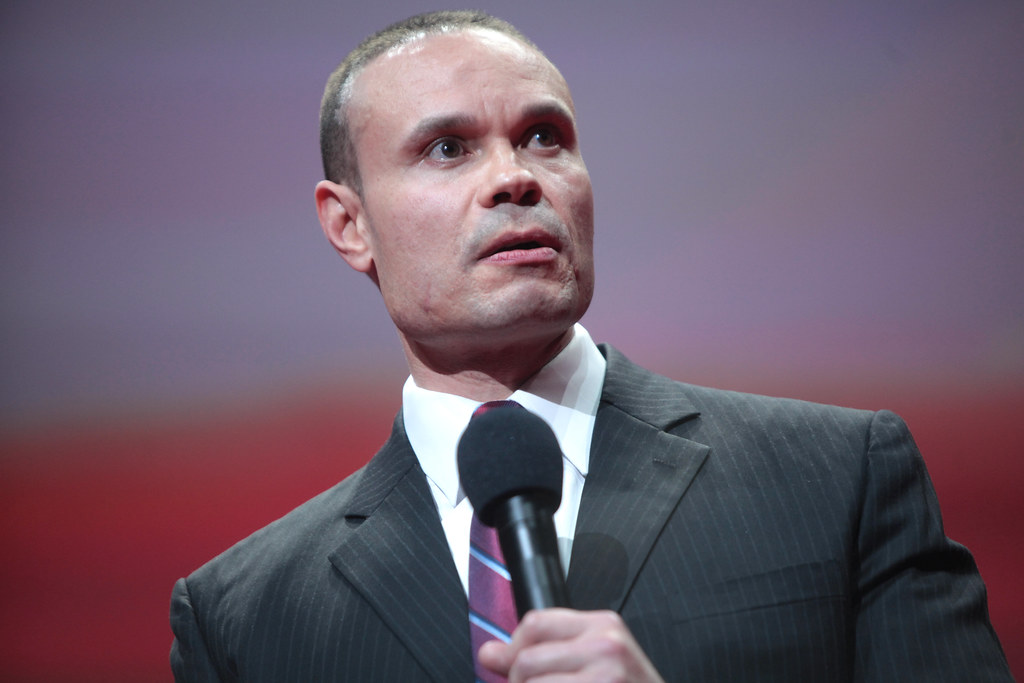
Conservative commentator Dan Bongino sharply criticized mainstream media outlets for what he described as misrepresenting recent violent crime statistics, arguing that their coverage downplays a significant decline in major offenses.
In his commentary, Bongino pointed to data showing a notable drop in rates of violent crimes in key cities and nationwide, asserting that the trend represents a historic improvement in public safety. He contended that much of the national media has either ignored these figures or framed them in ways that obscure the positive trajectory.
Bongino highlighted specific examples where crime data he says reflects a meaningful turnaround, including drops in homicide rates and other serious offenses in urban centers that faced heightened violence in recent years. He contrasted those numbers with media narratives that continue to emphasize persistent danger and instability.
His remarks sparked discussion among his audience about how crime statistics are presented, the role of context in interpreting data, and whether news outlets give a balanced view of public safety trends.
Bongino framed his critique as a call for more comprehensive reporting that acknowledges both challenges and progress in crime reduction, rather than focusing exclusively on negative stories or contentious incidents.
The exchange reflects ongoing debates about crime, data interpretation, and media coverage in the United States. Critics of Bongino’s position argue that crime remains a complex issue, while supporters praise his emphasis on positive trends.