
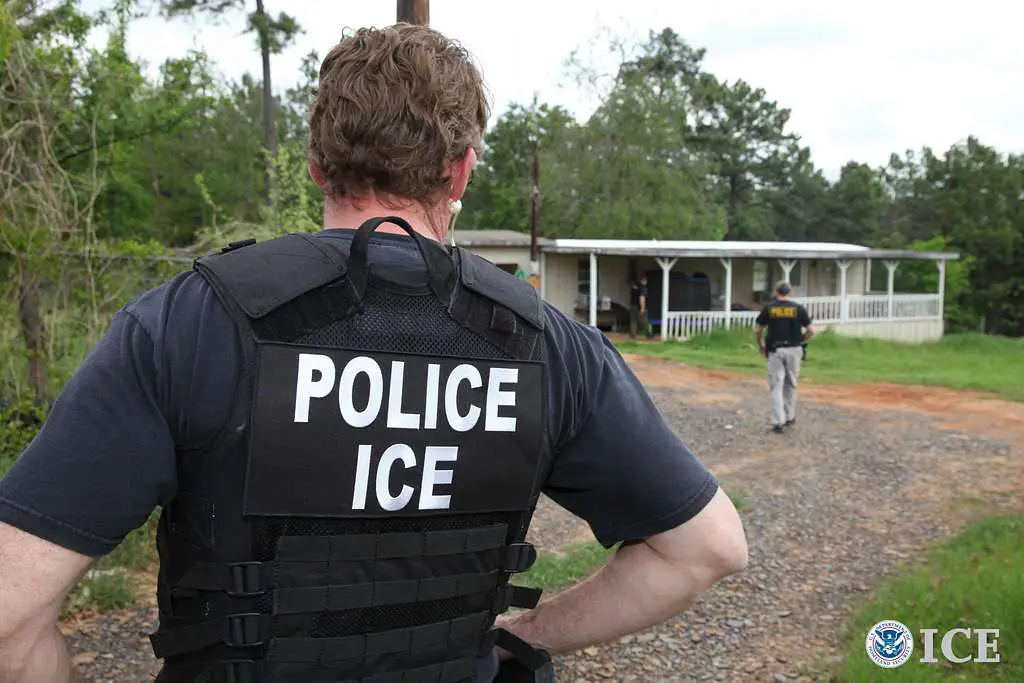
While another state, **Virginia, recently took steps to reestablish cooperation with federal authorities, state officials are raising the alarm that Minnesota’s recent unrest over federal immigration enforcement has been made worse by local resistance to working with Immigration and Customs Enforcement (ICE).
After a contentious ICE operation sparked violent protests, authorities in Minnesota’s largest city have been dealing with weeks of protests and violence. Local authorities in Minneapolis and throughout the state have retaliated against federal immigration officials by refusing to comply with requests for federal detainers and, in certain situations, by issuing directives that restrict ICE’s access to local resources and data.
Federal enforcement supporters, including political leaders who are in the area, contend that it has become more difficult to control protests and protect police safety due to a lack of collaboration with ICE. They claim that previous uprisings in other places demonstrated decreased crime and more efficient operations when local law police and state governments cooperated with federal immigration initiatives.
Minnesota’s stance contrasts with Virginia’s recent executive move that lifted a bar on state cooperation with ICE. A rising disagreement among states about how to respond to detainer requests and assist with national immigration enforcement is highlighted by the governor’s decision to reestablish relations with federal immigration authorities.
The argument has turned into a focal point in the larger national discussion over public safety, immigration enforcement, and the relative importance of municipal and federal authorities. Tensions are still high as officials from various jurisdictions adopt alternative strategies, which may have an impact on how other states decide to cooperate with federal authorities in the future.