
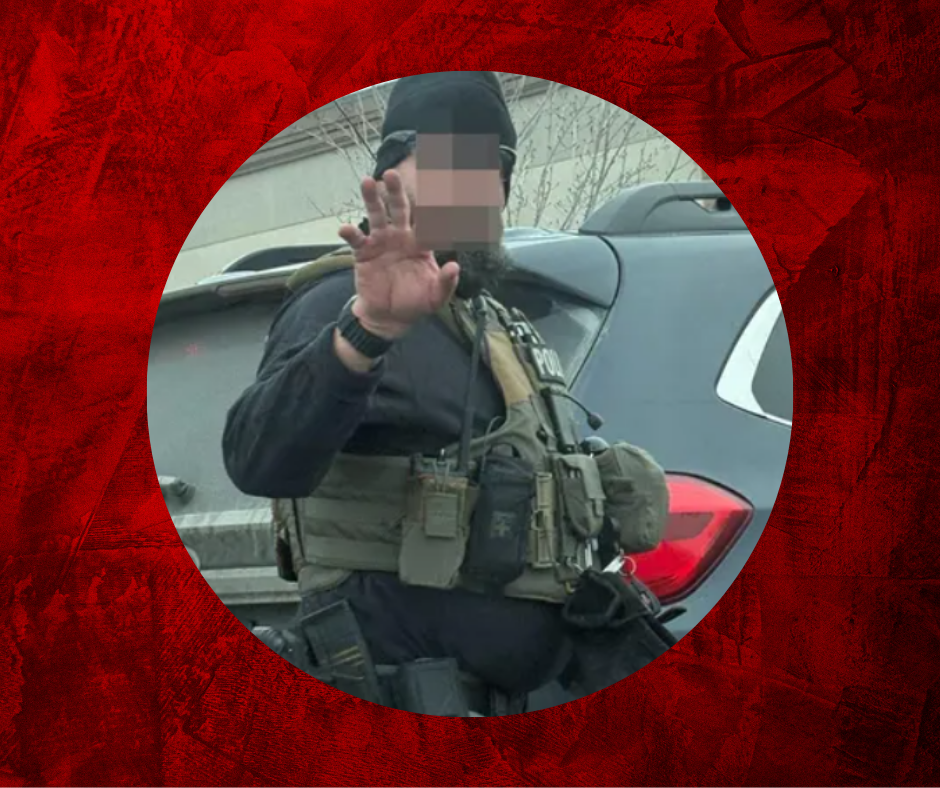
Federal officials and security experts are raising concerns about organized anti-Immigration and Customs Enforcement networks that are allegedly using advanced surveillance tactics to monitor federal agents during immigration operations.
According to law enforcement assessments, multiple activist groups across the country have formed coordinated digital networks designed to track ICE activity in real time. Participants are reportedly trained to observe and record detailed information such as agent locations, uniforms, vehicles, timing, and equipment, using structured reporting methods similar to those employed in military intelligence gathering.
The collected data is then shared through online platforms and messaging channels, creating databases that document federal operations and personnel movements. Authorities say the information sometimes includes photos, vehicle identifiers, and precise location details, raising safety concerns for agents involved in enforcement duties.
Security analysts reviewing the tactics have warned that the approach resembles organized intelligence collection rather than traditional protest activity. They caution that encouraging civilians to systematically track armed federal officers could escalate tensions and increase the risk of confrontations or violence.
Organizers involved in the networks describe their efforts as a way to alert communities to immigration enforcement activity and oppose ICE operations. However, federal officials argue that the methods cross into potentially dangerous territory, especially when sensitive information is widely distributed.
Investigators are now monitoring several digital channels linked to the activity as they assess whether any laws have been violated. The issue highlights growing challenges for authorities as activist movements increasingly adopt sophisticated digital tools that blur the line between political opposition and tactical surveillance.