
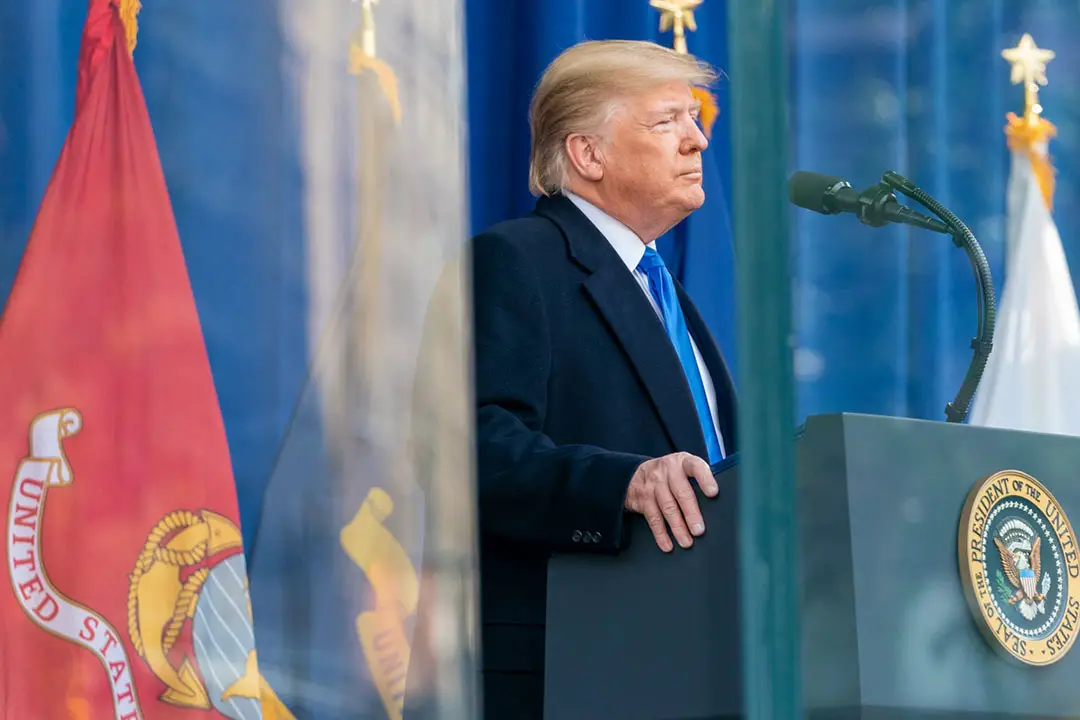
President Donald Trump is approaching what many in Washington describe as one of the most defining choices of his presidency, centered on how the United States responds to Iran’s advancing missile and military capabilities. With tensions rising in the Middle East, Trump’s next move on whether to order a military strike or pursue diplomatic engagement is expected to shape his legacy and influence U.S. foreign policy for years to come.
The situation has intensified as Iran continues to develop ballistic missiles and expand its strategic reach, prompting concerns among U.S. officials and allies. In response, Trump has already strengthened U.S. military presence in the region and bolstered defensive positions to protect American forces and partner nations.
Trump’s decision is seen as a crossroads between a more aggressive posture toward Tehran or a restrained approach that relies on negotiations and pressure without direct confrontation. Supporters argue that decisive action could deter future threats and reinforce U.S. influence, while others caution that military conflict could escalate unpredictably.
As the administration weighs its options, national security advisers and foreign policy experts are urging careful consideration of both strategic risks and global consequences. With the next steps expected soon, this choice is emerging as a central moment in the current administration’s tenure.