
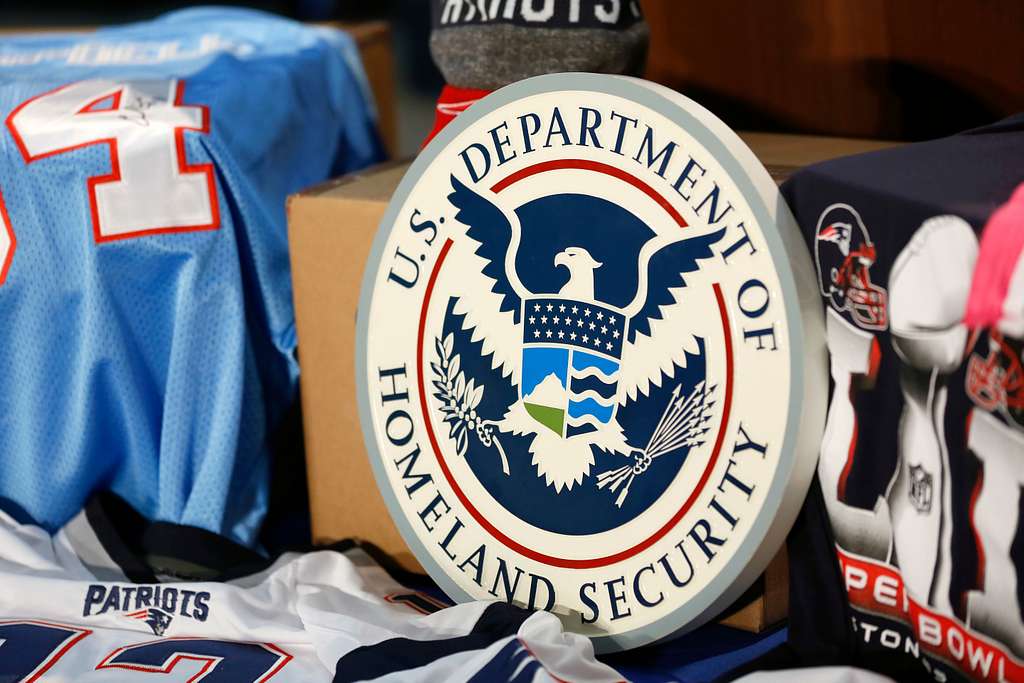
A potential shutdown of the Department of Homeland Security (DHS) could affect a broad range of government services that touch daily life, should lawmakers fail to pass funding before the deadline.
Border Security and Immigration Processing
Customs and Border Protection agents and immigration officers could continue limited operations, but staffing shortages and delays are likely. Routine processing of visas and asylum claims may slow significantly, potentially creating backlogs and longer waiting periods for travelers and immigrants.
Airport and Transportation Security
Transportation Security Administration agents are considered essential personnel and would remain on duty, but a funding lapse may strain resources. This could lead to longer lines and slower processing times at airports and other transit hubs if staffing becomes unstable or morale declines.
Disaster Response and Emergency Services
Federal emergency management functions could be constrained. While core disaster response teams would still be deployed for active crises, planning, training and recovery efforts might be delayed, impacting readiness for future events.
Law Enforcement and Public Safety
DHS includes agencies like the Secret Service and Federal Protective Service. These units would maintain basic operations, but non-emergency activities, community outreach programs, and investigations not deemed critical could be paused or scaled back.
Travel and Trade
Cross-border trade could face delays, as inspections and customs processes may slow down. Longer wait times at ports of entry and logistical bottlenecks could ripple through supply chains, affecting businesses and consumers.
Federal Workforce and Pay
Thousands of DHS employees could be furloughed or asked to work without immediate pay, depending on how long the shutdown lasts. This could strain household finances for federal workers and disrupt services that rely on their labor.
The scope and duration of any shutdown will determine how deeply these areas are impacted. Even short funding gaps can create uncertainty and operational challenges, while a prolonged lapse could push effects into more visible public services and everyday routines across the country.