
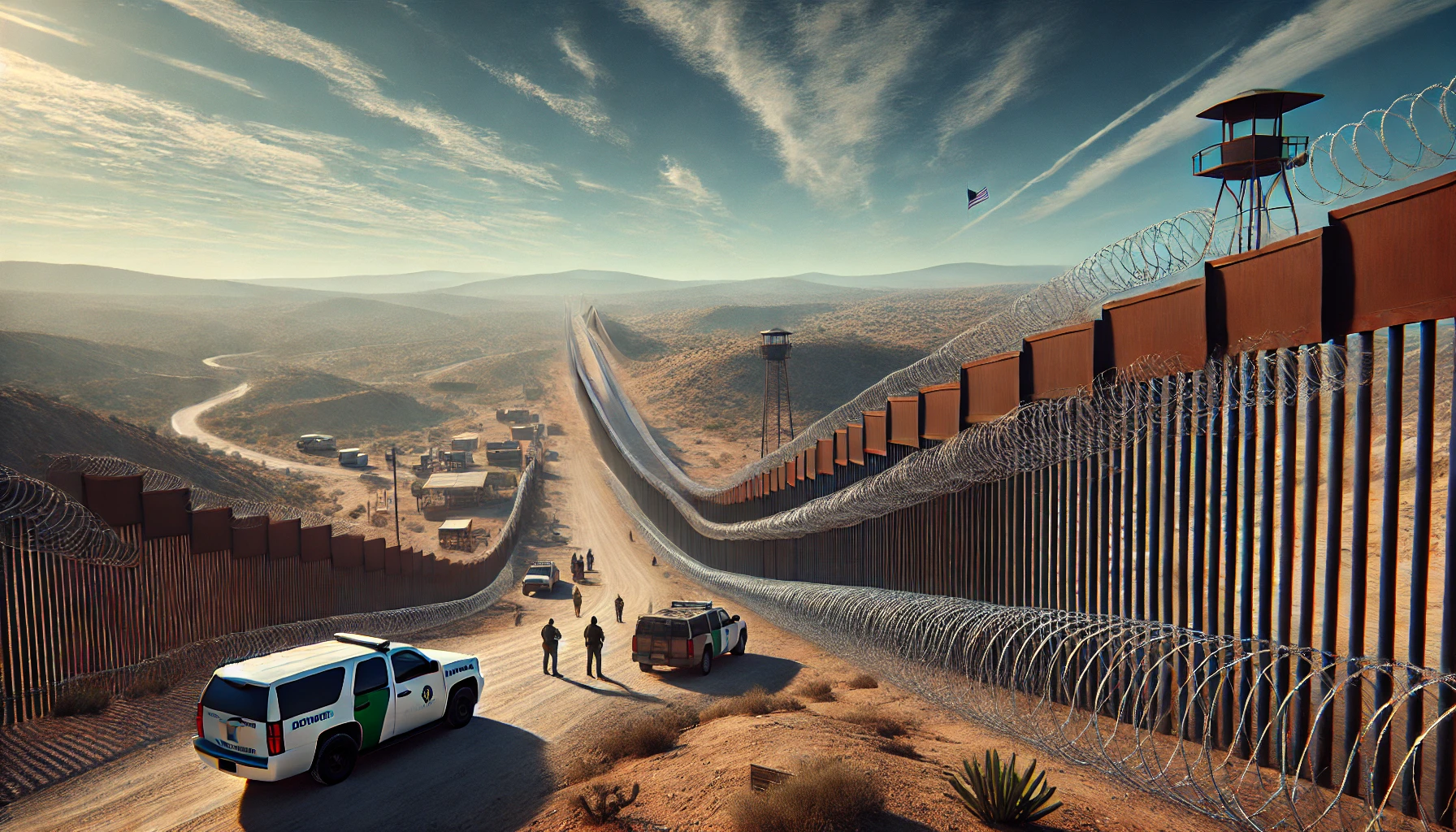
A federal appeals court has ruled in favor of Texas, affirming the state’s right to construct razor-wire barriers along the U.S.-Mexico border in an effort to deter illegal immigration. The decision marks a significant legal victory for Texas, which has faced pushback from advocacy groups and federal agencies over its aggressive border security measures.
The court’s ruling upheld Texas Governor Greg Abbott’s authority to implement state-led initiatives aimed at curbing unauthorized crossings. The razor-wire installations, part of the state’s Operation Lone Star program, have been deployed along key sections of the border as a physical deterrent.
Governor Abbott hailed the decision as a “huge win” for state sovereignty and border security, emphasizing the urgency of taking action to address the influx of migrants. He argued that the federal government’s policies have failed to adequately secure the border, leaving states to fill the gap.
Critics of the ruling, including human rights organizations and immigration advocates, contend that the razor-wire barriers pose risks to migrants and create humanitarian concerns. They argue that such measures do not address the root causes of migration and may lead to increased dangers for those attempting to cross.
The appeals court decision is expected to have far-reaching implications for state-federal relations on immigration policy. While Texas sees the ruling as a green light to continue its border initiatives, opponents may seek further legal challenges to restrict or modify the use of physical deterrents.
As debates over border security intensify, the ruling underscores the complexities of addressing immigration through state-led actions and raises questions about the balance of power between state and federal governments.