
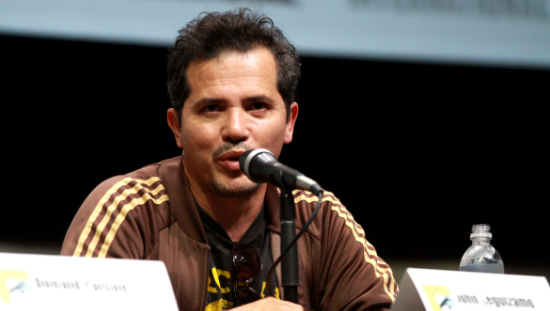
On a recent episode of “The Daily Show,” actor John Leguizamo delivered a stinging critique of Univision for their interview with former President Donald Trump, which he humorously suggested was surprising not just for its content but for Trump’s willingness to let “a Latin guy into his house.”
Leguizamo quipped about the journalist’s access to Trump’s residence, jokingly questioning whether Trump mistook the journalist for a gardener. The interview, conducted by journalist Enrique Acevedo at Mar-a-Lago, sparked a wave of displeasure among progressives who believed the Spanish-language network should not have provided Trump with such an opportunity. There was a sentiment that Jorge Ramos, known for his tough questioning, would have been a more suitable interviewer.
Leguizamo, who has been vocal about his political views, accused Univision of failing the Latino community by not using the interview as a chance to challenge Trump on his policies, which Leguizamo views as adverse to Latino interests. The actor used satire to express his disappointment, likening the interview to missing an essential confrontation and labeling it with Spanish slang that disparages its quality.
In his monologue, Leguizamo also tackled the perceived homogeneity of Latino support for Trump, pointing out that while some Latinos do support Trump, they are not representative of the entire community. He likened Latino Trump supporters to the proverbial relative who is left out of family gatherings.
Leguizamo stressed the importance of Univision’s role in representing the potential implications of a Trump re-election for the Latino community, characterizing the prospect as frightening.
Despite the criticism from left-leaning figures and journalists, Univision’s leadership stood firm on their editorial decision. CEO Wade Davis emphasized the network’s independence and commitment to balanced reporting, refusing to yield to partisanship.
Trump’s increasing popularity among Latino voters, despite his loss in the 2020 election, underscores the complexity of political allegiances within the demographic, challenging the long-held view of Latinos as a reliably Democratic voting bloc.