
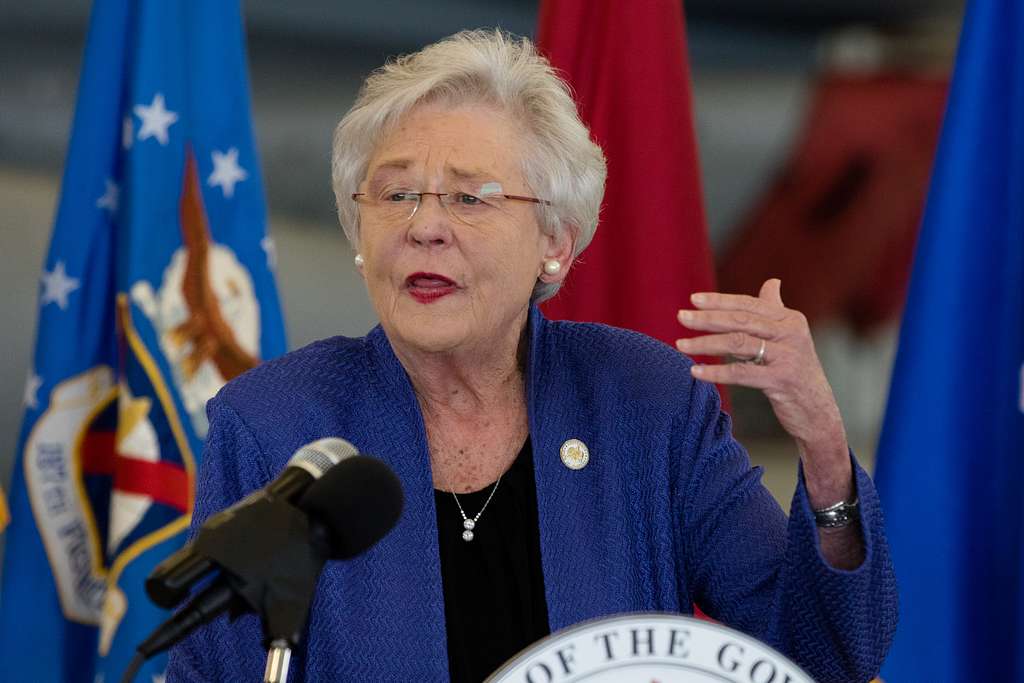
In a decisive move, Alabama Governor Kay Ivey recently endorsed a legislative measure aimed at safeguarding in vitro fertilization (IVF) procedures within the state. This action comes as a response to a February verdict by the Alabama Supreme Court, which prompted several fertility clinics to suspend their IVF services temporarily. The newly signed Senate Bill 159, celebrated for its bipartisan support, aims to provide legal security for medical professionals and clinics, allowing them to proceed with IVF treatments without fear of unintended legal consequences.
Governor Ivey, in a statement, articulated her support for IVF as part of Alabama’s broader commitment to nurturing a culture that values life, emphasizing the state’s dedication to assisting couples in their journey to parenthood through IVF. The bill’s passage was swift, reflecting the legislature’s urgency in addressing the concerns raised by the Supreme Court’s ruling. This ruling had granted three couples the right to file wrongful death claims after the loss of frozen embryos due to a storage facility mishap, interpreting embryos as “unborn children” under Alabama’s legal framework. This interpretation, rooted in amendments to the Alabama Constitution and judicial perspectives, underscored the state’s recognition of the rights of unborn children, irrespective of their developmental stage or physical location.
However, this interpretation sparked a legal ambiguity regarding IVF procedures, leading to a temporary halt in services by clinics worried about potential legal ramifications. Senate Bill 159, now law, clarifies these concerns by providing civil and criminal immunity for healthcare providers in cases of accidental harm to embryos during IVF treatments, thus allowing clinics to resume their vital services.
Governor Ivey acknowledged the complexity of IVF issues and hinted at ongoing discussions for future adjustments or additions to the legislation. Nonetheless, the primary goal of the current law is to reassure IVF service providers and enable them to continue their work, supporting Alabama’s stance as a state that values both the protection of life and the support of families wishing to grow through IVF.
This legislative action not only represents a significant step towards resolving the recent legal uncertainties surrounding IVF in Alabama but also reaffirms the state’s commitment to being a pro-life, pro-family community. With the law now in effect, including retroactive applications except for pending litigation, fertility clinics like Alabama Fertility have announced their readiness to recommence IVF treatments, marking a new chapter in Alabama’s approach to reproductive health and family support.