
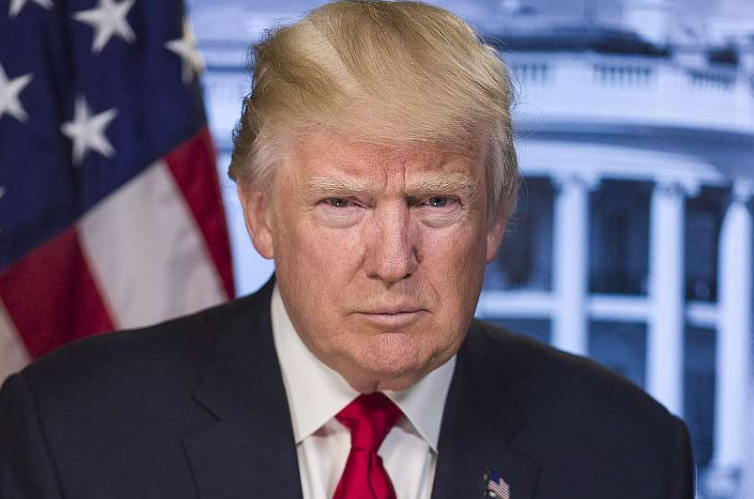
President Donald Trump is shaping a bold political plan, dubbed by some advisers as a “super session” strategy, designed to help Republican candidates withstand the challenges of the upcoming midterm elections.
The approach centers on maximizing GOP turnout, intensifying campaign coordination, and leveraging Trump’s continued influence within the party to galvanize the base. Conservative operatives involved in discussions say the aim is to create momentum for down-ballot races by tying them to core issues that resonate with Trump’s supporters.
A key element of the strategy involves unifying messaging on topics such as border security, economic growth, and public safety — themes that have consistently energized Republican voters in recent election cycles. Trump and allied strategists argue that a cohesive message across federal and state races will make it more difficult for Democratic challengers to gain traction.
The plan also emphasizes early and aggressive voter outreach, particularly in competitive districts, with an eye toward combating apathy among key GOP constituencies. Officials backing the strategy believe that strong engagement and messaging can blunt Democratic efforts to capture seats.
Critics of the approach caution that relying too heavily on Trump-centered themes may backfire in swing areas where opposition to his leadership remains significant. However, supporters counter that Trump’s endorsements and mobilization efforts have proven effective in past primaries and general elections, and they see the “super session” model as a way to replicate that success.
As Republicans prepare for contests across the country, internal debates continue over how best to balance national figures’ involvement with local candidates’ autonomy. The emerging strategy reflects an ongoing effort to chart a path through a politically volatile environment and protect party interests in a crucial electoral cycle.