
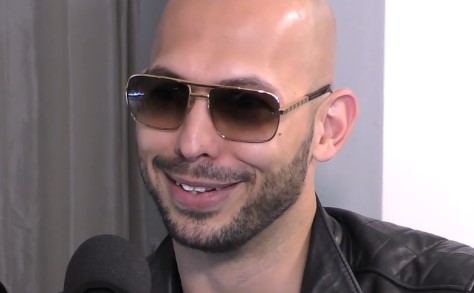
Andrew Tate, a former kickboxer turned controversial influencer, has offered to train Elon Musk after the Twitter CEO challenged Mark Zuckerberg, the CEO of Meta, to a cage match. Despite being banned on social media platforms, Tate returned to Twitter last year after Musk intervened, and he extended his training offer to the new CEO of Meta on Thursday.
In a Twitter post, Tate expressed his willingness to help Musk, stating, “Meta banned me everywhere for telling the truth about vaccines. But now we can restore honor with a strike at the enemy clan’s leader. I will train you, @elonmusk. You will not lose.” As of now, Musk has not responded to Tate’s offer.
The potential showdown between the two billionaires originated from comments made by Twitter users, including Musk, regarding Meta’s development of a Twitter-like application that could directly rival the platform. Musk responded sarcastically, implying that being exclusively under Zuckerberg’s control would not be favorable. When a user warned Musk about Zuckerberg’s Brazilian jiu-jitsu training and advised him to be cautious, Musk indicated his willingness to engage in a cage match with him.
Musk, known for his meme-filled tweets, confirmed the seriousness of the challenge, stating, “If this is for real, I will do it” when shown a screenshot of Zuckerberg’s response. FOX Business has reached out to both Musk and Zuckerberg for comments on the matter.
Interestingly, Tate’s offer to Musk comes just a day before the 36-year-old influencer was charged in a Romanian court with multiple serious offenses, including rape, human trafficking, and involvement in a criminal gang that exploited women. The court has extended Tate’s house arrest by an additional 30 days. Tate, along with his brother Tristan, was initially arrested near Bucharest, Romania, in late December, and two Romanian women are also facing charges in relation to the case.
As the investigation progresses, the DIICOT (Directorate for Investigating Organized Crime and Terrorism) has requested an extension of the house arrest measure. According to Romanian law, the judges have 60 days to decide whether the case will proceed to trial.