
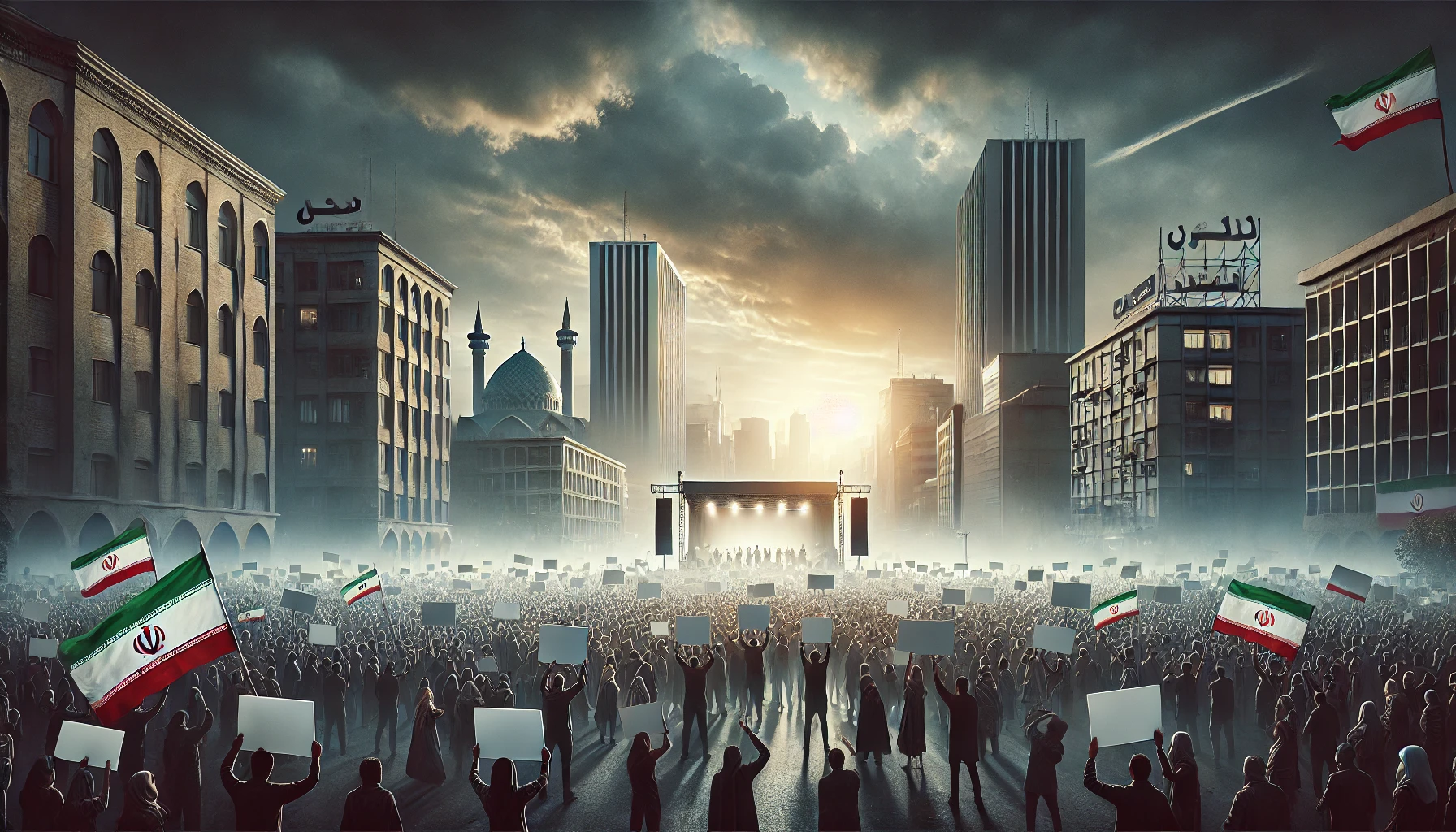
Widespread anti-government demonstrations have intensified across Iran, with protest movements gaining momentum in multiple cities as citizens voice opposition to the ruling regime.
The protests, which began over economic grievances and political repression, have spread to additional provinces, drawing larger crowds and sustained activity. Participants continue to express frustration with economic conditions, government policies, and restrictions on civil liberties.
In response to the unfolding situation, the Trump administration has publicly acknowledged and encouraged demonstrators, offering diplomatic and moral support to those pushing for change. U.S. officials have issued statements emphasizing their attention to the protests and affirming support for the Iranian people’s aspirations.
Iranian security forces have been deployed at key locations to manage the unrest, with authorities in some areas attempting to control crowds and prevent escalation. The demonstrations have largely remained non-violent, though interactions between protesters and security personnel have occurred.
The expansion of protests highlights deepening domestic discontent within Iran, with citizens in urban and smaller regional centers alike participating in rallies and marches. Observers note that the movement reflects long-standing frustrations that have resurfaced with renewed intensity.
International reactions have varied, but the U.S. response stands out for its explicit support of protestors, marking a departure from more cautious diplomatic language typically used by governments observing internal unrest in another country.
As events continue, global attention remains focused on Iran, where the balance between internal pressure for reform and government efforts to maintain control will shape the nation’s political climate in the coming weeks.