
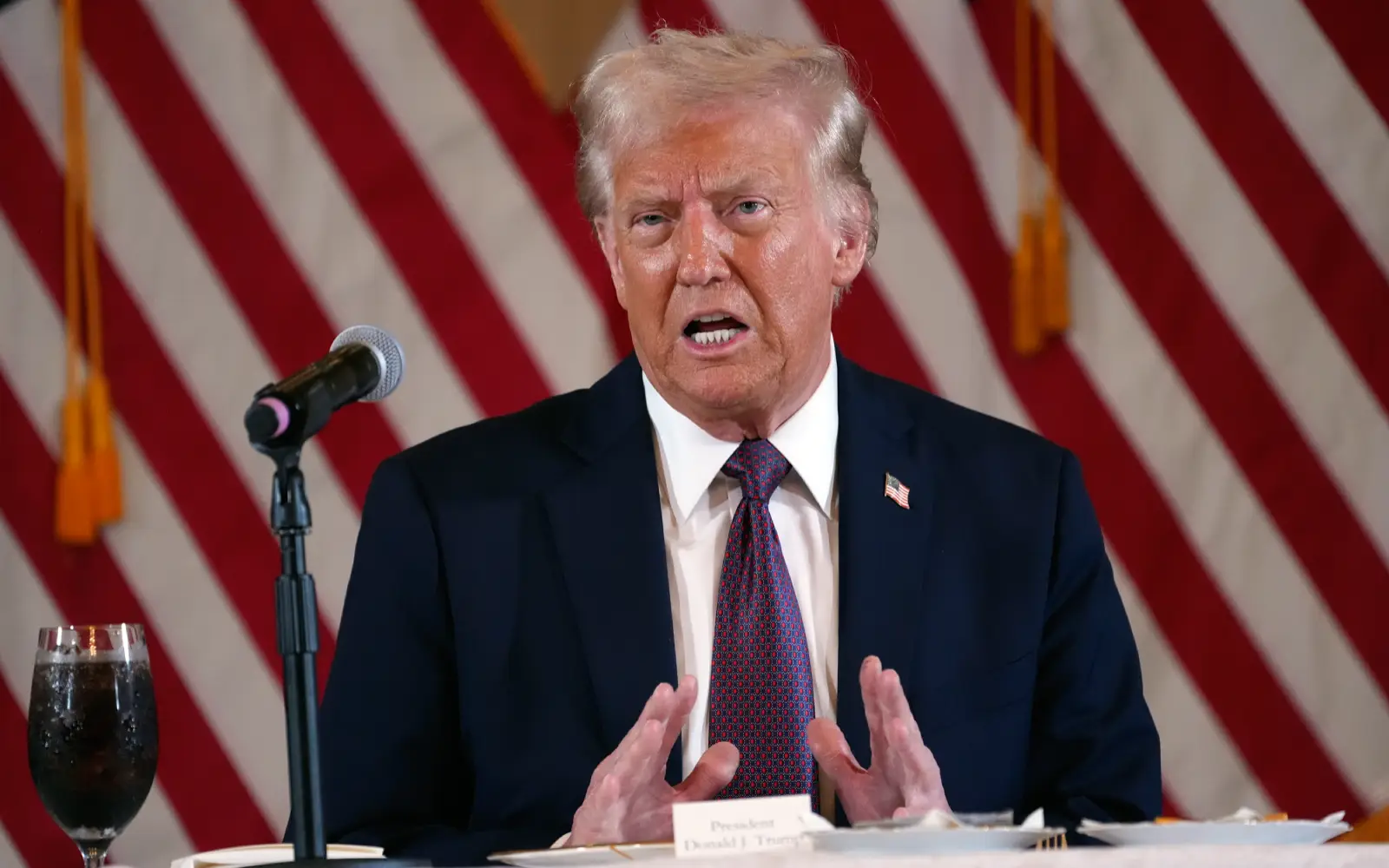
In the wake of President Donald Trump’s high-profile operation targeting Nicolás Maduro in Venezuela, Representatives Alexandria Ocasio-Cortez and Marjorie Taylor Greene have sharply disagreed on the mission’s implications, highlighting deep partisan divisions in Washington.
Ocasio-Cortez criticized the administration’s use of force, arguing that the action raised serious legal and ethical questions. She expressed concern about the mission’s execution and the potential consequences of deploying U.S. power without clear legislative authorization, saying that Congress should have a greater role in decisions that could lead to military engagement.
In contrast, Greene defended Trump’s approach, praising the operation as a decisive step against Maduro’s regime and arguing that confronting authoritarian leaders is necessary to protect human rights and regional stability. She framed the mission as a demonstration of American resolve and a fulfillment of the administration’s promises to hold foreign leaders accountable for repression and corruption.
The exchange between the two lawmakers reflects broader debates in Congress over executive power, foreign intervention, and the United States’ role in global security. Their comments came amid ongoing discussions about the mission’s outcomes, the fate of U.S. personnel involved, and how the country should engage with international partners moving forward.
As policymakers continue to weigh in, the divide between voices like Ocasio-Cortez and Greene underscores how Venezuela’s crisis and U.S. actions abroad have become a flashpoint for ideological conflict at home. The controversy is likely to remain central to legislative discussions about oversight and the conduct of foreign policy in the months ahead.