
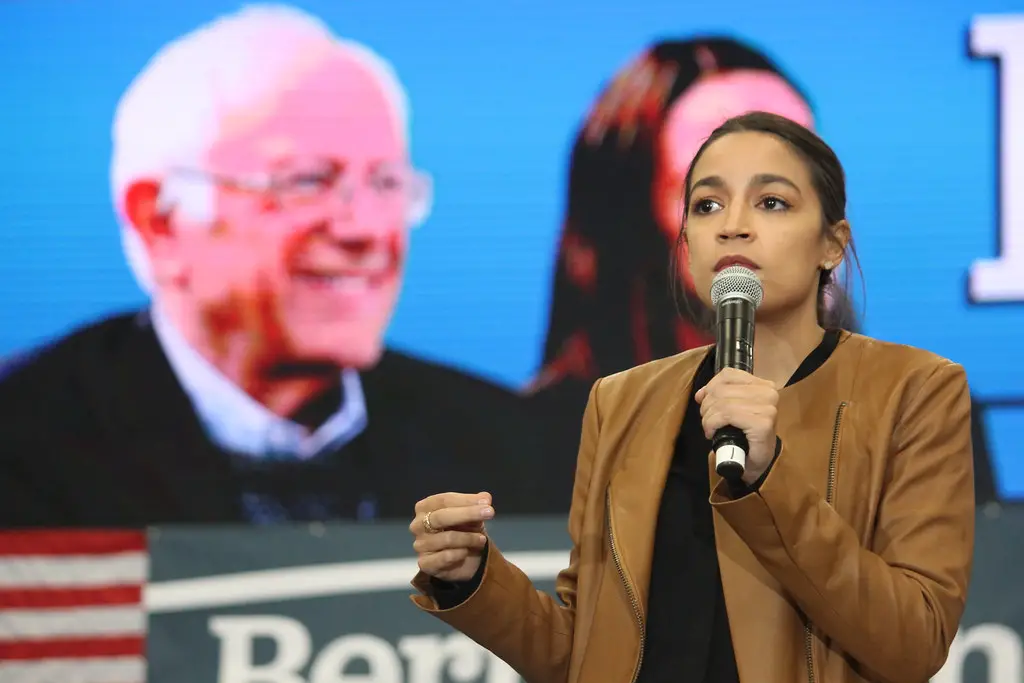
Congresswoman Alexandria Ocasio-Cortez faced criticism on social media after an old post resurfaced in which she commented on Colombia’s coffee industry and U.S. tariffs. Critics were quick to point out what they described as inaccuracies in her original claims, sparking a wave of online backlash.
In the post, Ocasio-Cortez suggested that changes to U.S. tariff policies would benefit Colombian coffee producers and lead to lower prices for American consumers. However, as coffee prices have continued to rise due to global supply chain disruptions and inflationary pressures, detractors have called her statements outdated and overly simplistic.
Critics accused the congresswoman of misunderstanding the complexities of international trade and commodity markets, arguing that tariffs are only one of many factors influencing coffee prices. They also pointed to other issues, such as weather conditions affecting coffee production and increased transportation costs, as key contributors to the rising costs.
Supporters of Ocasio-Cortez defended her stance, emphasizing her efforts to highlight trade policies that impact developing countries and advocating for reforms aimed at equitable economic practices. They argued that her post brought attention to important discussions around U.S. trade relations and the global economy.
The renewed scrutiny of the post has reignited debates about the broader challenges facing the coffee industry, including climate change, labor practices, and the role of multinational corporations in shaping global supply chains. As the conversation unfolds, the exchange underscores the complexities of policymaking and the polarized responses that often accompany high-profile figures’ statements.