
In 1963, the Zapruder film capturing John F. Kennedy’s assassination stayed largely out of public view for years, controlled by media gatekeepers and institutions. Today, political violence rarely occurs without it being caught — and widely shared immediately. Smartphones and social media now deliver instant, often graphic video to viewers, altering how Americans respond to and understand such events.
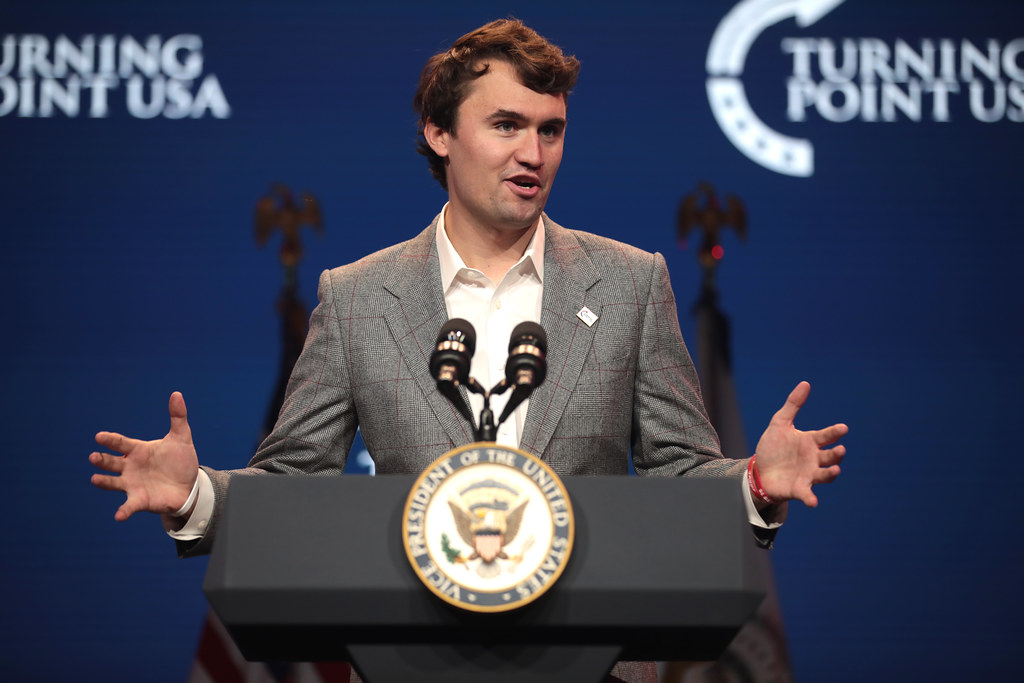
Presidential historian Tevi Troy noted that the Kennedy-era absence of real-time footage allowed culture-controlling entities to shape public narrative — an era when what you didn’t see was just as important as what you did. But in the aftermath of Charlie Kirk’s recent assassination in Utah, bystander videos flooded platforms within minutes: high-definition, multiple angles, slow-motion replays — many without warning labels or editing.
The constant availability of these visuals raises concerns. Experts warn of desensitization, psychological trauma, and polarized interpretation. Some observers accuse political actors of rushing to frame the incident in ways favorable to their side — either highlighting or downplaying aspects like motive or culpability.
The stakes feel higher now: when everyone records, public memory, opinion, and accountability shift in real time. The question is no longer if we’ll see graphic footage, but how it shapes our response to political violence.